 US – English
 UK – English
 Canada – English
 Australia – English
 Danmark – Dansk
 DACH - Deutsch
 France – Français
 España – Español
 Sverige – Svenska
 Italia – Italiano
 Nederland – Nederlands
 Portugal – Português
 Suomi – Suomi
 Norge – Norsk
 日本 – 日本語
 Romanian – Română












How to switch accountants: a complete guide for small businesses
Run your entire firm on one platform
Key takeaways:
- Switching accountants is a normal business decision. Businesses do it most often because they’ve outgrown their current firm, not because something went wrong.
- When businesses do switch, they tend to trade up rather than downgrade: 98% of businesses that left a specialist accountant moved to another specialist.
- A vetted directory like the TaxDome Accountant and Advisor Finder makes that search easier than starting from a cold search engine query.
- The cleanest switch happens right after your tax return is filed or at your fiscal year-end. Mid-year switches are common too, as long as you set a clear cutover date.
- If your current accountant is actively costing you money through missed deadlines or errors, don’t wait for the “ideal” window. The cost of waiting can be higher than the cost of a slightly messier transition.
Switching accountants is a normal part of running a business. It isn’t only something you do when a relationship has gone wrong. At TaxDome, we talk with accounting firms and their clients every day, and the businesses that switch most often are simply outgrowing their current setup. They’ve added payroll, expanded into new states, or they need specialist expertise that their current accountant doesn’t offer.
Whatever your reasons, switching accountants is a big decision for any business — one that you want to get right. So, let’s break down the full picture: why businesses switch, when to do it, and how to manage the transition without losing records or missing a deadline. And, most importantly, how to choose the accountant your business needs for the next chapter in your growth story.
Table of сontents
Why do businesses switch accountants?
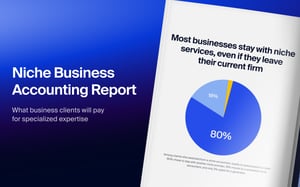
In the TaxDome Niche Business Accounting Report, 53% of clients who switched accountants tell us they moved to a firm with specialist experience in their field.
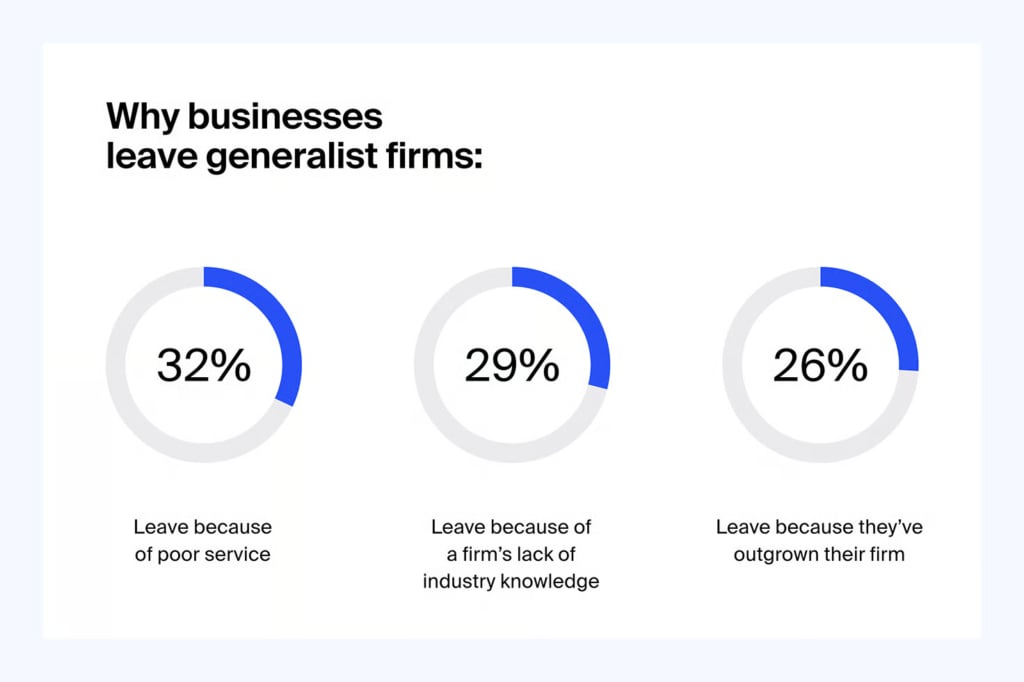
They also tell us the main reasons they moved from a generalist firm to a specialist:
- 32% leave because of poor service
- 29% leave because of a firm’s lack of industry knowledge
- 26% leave because they’ve outgrown their firm
Poor service quality
Missed deadlines, repeated errors, poor communication, and a lack of proactive advice are the most valid reasons to switch accountants. These are unacceptable outcomes, but the most common characteristics of poor service quality are usually more subtle:
- Endless email back-and-forth
- Relying on email for sharing your sensitive financial information
- Complex systems for priving your accountants with the documents and information they need
- Asking you to use half a dozen differnet tools for messaging, file sharing, signatures, invoice payments, and more
- A lack of visibility over the status of your accounting project
- Insufficient or slow updates when anything changes
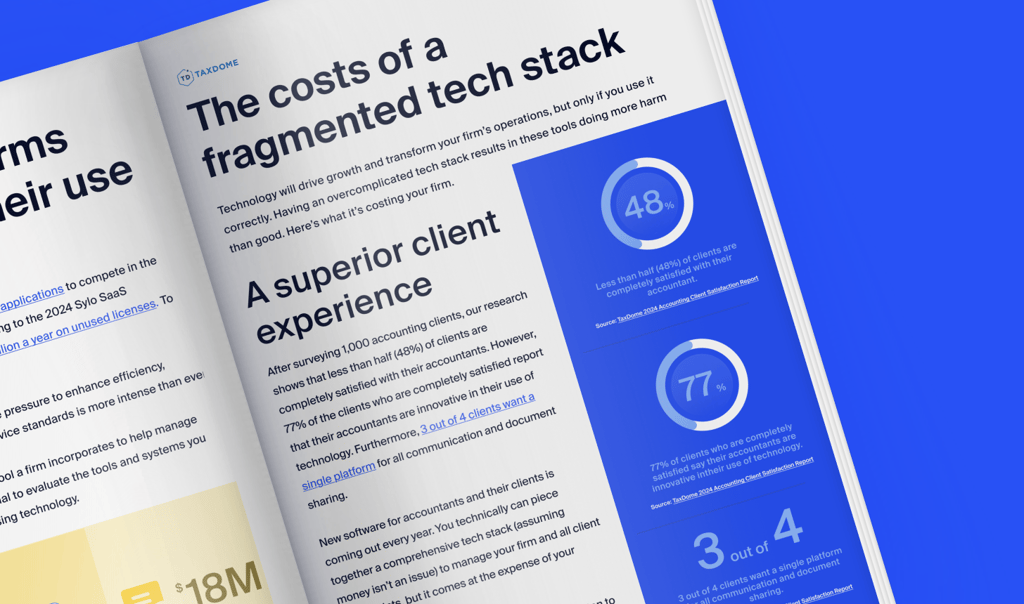
If this sounds like your experience with an accountant, you are not alone. In our Client Satisfaction Report, only 44% of clients said they were fully satisfied with their existing accountant.
In the same report, 77% of fully satisfied clients cited their accountant’s innovative use of technology, while 3 in 4 say they want one platform for all communication and file sharing with their accountant.
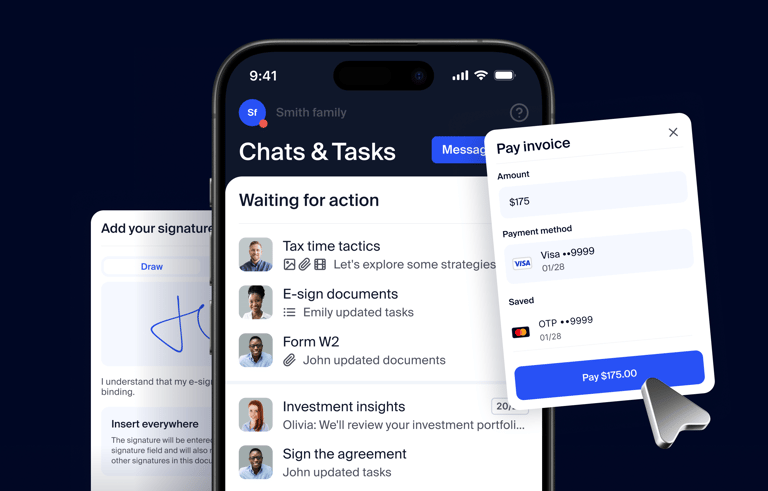
This is the kind of client feedback that inspired us to build the TaxDome client app, which gives accountants and their clients one secure tool for everything: messaging, file sharing, e-signatures, and more. One convenient app for effortless collaboration, rated 4.9/5 by 35,000+ clients and a 2026 Webby Award Honoree in Fintech, Financial Services & Banking — recignized among the likes of Apple Pay, TurboTax, and HSBC bank.

Your accountant lacks industry knowledge
The second-top reason for switching accountants given by clients in our Niche Business Accounting Report is a lack industry knowledge or specialist services for their fields. If you’re in the legal sector, it makes sense that you’re eventually going to want an accounting firm that specializes in services for the legal industry.
Tellingly, when a business switches to a specialist accounting firm, they rarely go back to a generalist.
Only 2% of clients leaving a niche firm return to a generalist. 98% seek out another specialist and 82% choose a new provider with either the same level of specialization or a fully niche firm.
Growth and complexity reasons
Sooner or later, a successful business outgrows its current accountant and recognizing the signs is key to making the switch at the right time:
- Your business has outgrown your accountant’s scope. Payroll, multiple states, inventory, several entities, or fast revenue growth can all push you past what your current firm handles well.
- You’re preparing for a funding round, acquisition, or sale, and need a firm experienced with that process.
- You need modern, cloud-based tools with real-time reporting that your current accountant doesn’t offer.
Practical and life-stage reasons
Sometimes, life simply gets in the way of professional relationships and you part ways through nobody’s fault:
- Your accountant is retiring, scaling back, or has left their firm.
- Pricing no longer fits your budget, or you’ve found better value elsewhere. Our guide to accountant costs breaks down what firms typically charge by service type.
- You’ve moved or expanded into a new state or region with different tax requirements.
- Personal fit or communication style isn’t right, even when the technical work is fine.
If you’re unsure where to draw the line with acceptable standards with your existing accountant, take a look at our guide on when to fire your accountant.
When is the best time to switch accountants?
The cleanest switch happens right after tax season or at your fiscal year-end. That said, switching mid-year is common and entirely manageable with the right handover.
- Best-case timing: right after your year-end accounts or tax return are filed, or at your fiscal year-end. This gives your new accountant a clean starting point instead of inherited, partly completed work.
- Why January or post-tax-season is often cited as ideal: accounting firms typically have more capacity right after major filing deadlines, which makes onboarding smoother.
- Worst-case timing to avoid, if you have a choice: the weeks immediately before a major filing deadline, or in the middle of an audit.
- The exception that matters most: if your current accountant is actively making costly mistakes, missing deadlines, or creating real compliance risk, don’t wait for the ideal window. The cost of waiting can exceed the cost of a slightly messier transition.
- Mid-year switching is normal. It’s a common myth that you can only switch at year-end. What actually matters is a clearly defined cutover date and a documented handover, not a specific calendar window.
How to switch accountants: step-by-step
Once you’ve decided to switch, the process breaks down into three phases: deciding what you need, vetting and choosing a new accountant, and running a clean handover.
- Clarify what you need going forward. Before contacting anyone, define the scope: ongoing monthly support, tax-season-only help, industry specialization, specific software, or multi-state and multi-entity capability. If you’re not sure whether you need a CPA or a general accountant, our guide on the difference between a CPA and an accountant can help you narrow it down.
- Find and vet your new accountant before giving notice. Interview candidates, ask about their experience with businesses your size and industry, confirm their credentials, and request a proposal or quote based on your actual financial documents.
- Review your current engagement letter or contract. Check notice requirements, termination terms, and any outstanding invoice obligations before you proceed.
- Choose your cutover date. Pick a clear “as of” date for when responsibility transfers. This avoids the most common transition failure: ambiguity about who’s responsible for which filing period.
- Notify your current accountant in writing. A short, professional notice is enough. You’re not obligated to give a lengthy explanation.
- Request a complete handover of records, including prior-year tax returns, financial statements, general ledgers, payroll records, depreciation schedules, and any correspondence with tax authorities. Use secure, encrypted file transfer or a shared portal rather than plain email, given how sensitive this data is.
- Consider requesting a clearance letter from your outgoing accountant confirming completed work and any outstanding matters. This isn’t legally required in the U.S., but it’s useful for keeping both sides aligned and documented.
- Keep cooperation and access in place until your new accountant confirms everything has been received. Don’t cut ties or revoke access too early. This is one of the most common, avoidable sources of lost documents and gaps.
- Sign a new engagement letter with your new accountant, clearly outlining scope, fees, deliverables, and timelines.
- Document the transition itself. Record the termination date, your new accountant’s start date, and which firm is responsible for which tax year or period. This matters if a tax authority later has questions about a specific filing period.
What documents do you need to hand over?
Your new accountant will need a complete picture of your financial history to pick up where the last one left off.
| Document | Notes |
| Prior-year tax returns | Typically 2 to 3 years |
| Financial statements | P&L, balance sheet, cash flow |
| General ledger and chart of accounts | |
| Payroll records and filings | |
| Depreciation schedules | |
| Bank and credit card statements | Reconciliation history |
| Software access credentials | Transfer securely, then revoke once your new accountant confirms receipt |
| Correspondence with tax authorities | IRS and state agencies, for any open or past matters |
Common mistakes to avoid when switching accountants
Most failed transitions come down to a handful of avoidable mistakes.
- Cutting off your current accountant before your new one confirms all records are received.
- Switching with no clear “as of” cutover date, which leads to gaps or duplicated work.
- Waiting too long out of fear of disruption, while a genuinely underperforming accountant keeps costing you through missed deductions and penalties.
- Not reviewing your engagement letter for notice requirements before acting.
- Assuming you can only switch at year-end, and delaying a switch you actually need now.
- Picking a new accountant the same way you picked the last one: for convenience rather than fit. Our guide on CPA vs. accountant can help you match the credential to what you actually need.
Can you switch accountants mid-year?
Yes. Mid-year switches are common and entirely manageable as long as there’s a clear handover process and a defined cutover date. You’re not required to wait for year-end.
FAQs
How do I switch accountants?
Clarify what you need, vet and choose a new accountant before giving notice, agree on a cutover date, and request a complete handover of records. The TaxDome Accountant and Advisor Finder can help with the vetting step by letting you filter candidates by specialty, state, and industry instead of starting from a cold search. The whole process typically takes a few weeks once you’ve picked a replacement.
How much notice do I need to give my current accountant?
Check your engagement letter or contract first. Most firms don’t require more than a short written notice, but some contracts specify a notice period or outstanding invoice terms you’ll need to settle first.
Can I switch accountants during tax season?
You can, but it’s one of the riskier windows to do it in. If you have a choice, avoid switching in the weeks right before a major filing deadline or in the middle of an audit.
What happens if my old accountant won’t hand over my records?
Your financial records generally belong to you, not your accountant. If handover is slow, keep requests in writing, stay professional, and ask your new accountant to help coordinate. A clearance letter can also help keep both sides aligned.
Do I need a clearance letter to switch accountants?
No, a clearance letter isn’t legally required in the U.S. It’s a useful, optional step that documents completed work and any outstanding matters between your old and new accountant.
The bottom line
Switching accountants is a normal, often strategic move, not just a last resort. The process comes down to three phases: decide why and when you’re switching, find and vet a new accountant before you give notice, and run a clean, documented handover.
TaxDome’s own client directory sits behind a platform rated 4.7 out of 5 from more than 6,200 reviews on Capterra, G2, and GetApp, so you’re vetting new accountants through a platform that’s already been vetted itself. When you’re ready to start your search, the TaxDome Accountant and Advisor Finder can help you shortlist the right fit in minutes.

Aaron produces practical content for TaxDome, drawing on 11 years in SaaS copywriting and marketing. He helps accounting and tax professionals get the most from TaxDome and other tools, making complex topics clear and actionable.
Get your free guide

Thank you!
The guide copy has been sent to your email. Please check your inbox!
Recommended articles
Niche Business Accounting Report statistics: what business clients will pay for specialized expertise

Buy Now, Pay Later: offer clients payment flexibility

Top AI tools for accountants in 2026: key features and use cases compared