 US – English
 UK – English
 Canada – English
 Australia – English
 Danmark – Dansk
 DACH - Deutsch
 France – Français
 España – Español
 Sverige – Svenska
 Italia – Italiano
 Nederland – Nederlands
 Portugal – Português
 Suomi – Suomi
 Norge – Norsk
 日本 – 日本語
 Romanian – Română












7 must-have soft skills for accountants (and how to build them)
Run your entire firm on one platform

Hiring decisions are shifting. Many firms now prioritize personality over credentials — not because expertise doesn’t matter, but because technical skills can be taught. What’s harder to teach is curiosity and accountability. Soft skills for accountants have become the real differentiator: they shape how someone contributes, collaborates, and grows inside a team.
In this guide, we’ll break down seven soft skills that matter most with practical examples and tips to develop each one.
Table of сontents
1. Clear communication

Accountants work in a role where clarity directly affects outcomes. A vague task handoff, a misunderstood deadline, or an unclear email can delay work and cause frustration. That’s why communication is one of the most essential accounting soft skills — it supports productivity, trust, and service quality across the firm.
What this skill looks like in practice
Most people think of verbal communication first, such as explaining something to a client, updating a teammate, or leading a meeting. It takes skill to simplify complex information, adjust your tone, and ensure everyone’s aligned.
But written communication matters just as much. Most collaboration happens through messages, emails, and task updates. A quick note about a missing document or a client email with next steps — all of it requires clarity, structure, and attention to detail.
How to strengthen this skill
Improving communication skills requires practice, not only in what you say, but also in how you prepare and follow through.
- Be outcome-oriented: Start by asking what the other person needs to know or do.
- Clarify expectations early: Don’t wait for confusion, ask questions upfront.
- Review your message: Re-read for clarity and tone. Will it make sense to someone new?
- Listen actively: In meetings, focus fully, then confirm what you’ve heard.
2. Critical thinking
Clear communication starts with clear thinking. You can’t explain what matters if you haven’t first figured out what matters and why. Critical thinking is one of the most important soft skills for accountants because it helps turn data into insight — and insight into confident decisions.
What this skill looks like in practice
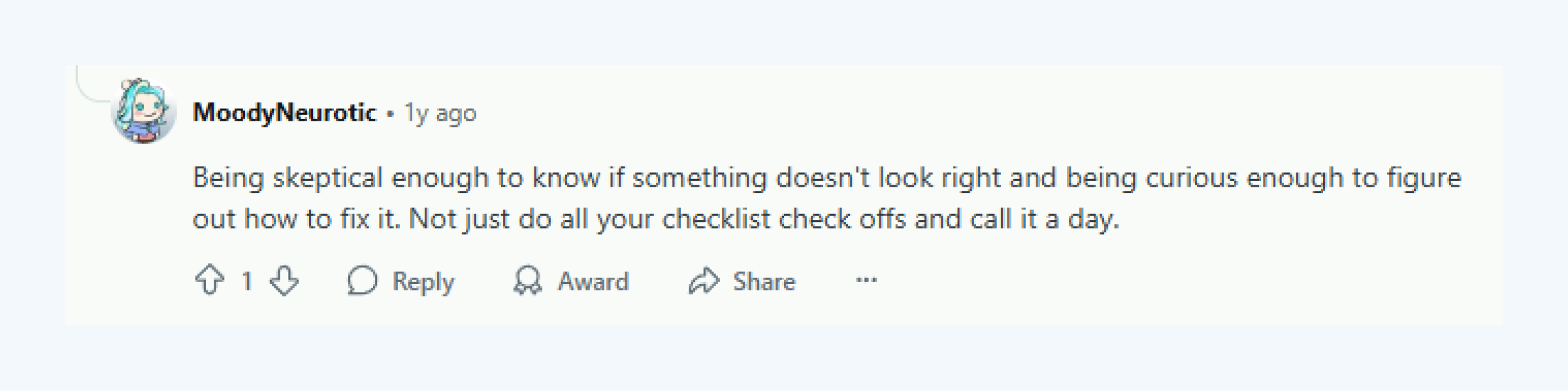
Critical thinking means taking time to investigate when something feels off. A report looks too polished. A client’s categorization doesn’t make sense. This skill helps you pause, evaluate, and dig deeper. It’s not about second-guessing everything — it’s about spotting patterns, connecting dots, and making informed calls based on logic.
How to strengthen this skill
Developing critical thinking starts with curiosity and a willingness to question what you see.
- Question assumptions: Ask what evidence supports the numbers.
- Trace the process: Follow how transactions connect, not just whether they balance.
- Spot bias: Familiarity can blur judgment — stay objective.
- Ask sharper questions: Try “What are we missing?” or “Could there be another explanation?”
- Pause before concluding: Insight often comes in the review.
And for a deeper look at the science behind these habits, watch this short video:
3. Emotional intelligence
Technical knowledge might land you the role, but emotional intelligence determines how well you work with others. As one of the core interpersonal skills in the accounting profession, it often marks the difference between getting work done and leading others with confidence.
What this skill looks like in practice
Emotional intelligence means recognizing and managing your own emotions and understanding how others feel too. It shows up when tensions rise: a frustrated client, a missed deadline, a difficult conversation. It’s also there in smaller moments: how you phrase feedback, how you respond under pressure, and how you manage disagreement.
How to strengthen this skill
Like many soft skills, emotional intelligence develops with self-awareness and consistent practice:
- Notice emotional cues: Pay attention to tone, body language, and timing.
- Separate emotion from action: Feel it — but respond with purpose.
- Stay open during conflict: Pause before reacting. Ask questions instead of assuming.
- Reflect on conversations: Review how things went — and what you’d do differently.
For more insight, explore this guide from CPA Practice Advisor.
4. Tech fluency
Accountants use tech every day, from managing client communication to assigning tasks and organizing files. Navigating those tools well makes the work faster, cleaner, and easier to scale. In many ways, tech fluency is the Excel of today: a soft skill that increases your value across the firm.
What this skill looks like in practice
Being tech fluent doesn’t just mean knowing how to use software. You should see how tools fit together, where automation can cut down on repetitive tasks, and how small changes in setup can make work easier for everyone.
Someone with this skill doesn’t wait for a better process to be handed to them. They spot friction, understand the tools well enough to suggest a fix, and often lead the way in making it happen.
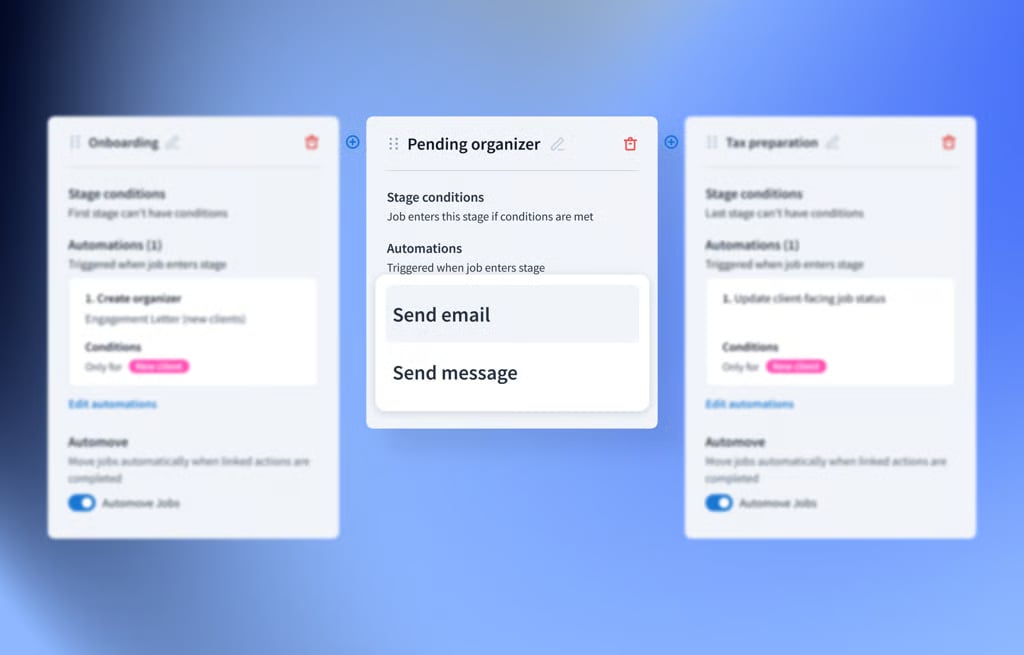
For example, they might use TaxDome to schedule automatic client follow-ups or assign tasks directly within a project — saving the team hours every week and making a strong case for promotion.
How to strengthen this skill
You don’t have to master every platform, but you do need to stay open, adaptable, and interested in what tools can actually do.
- Explore tools on the market: Learn accounting technology trends.
- Dive deeper: Go beyond the basics; test features and settings.
- Spot repeat work: Look for manual steps that could be automated.
- Talk with others: See how peers use the same tools differently.
- Share what works: Help your team benefit from what you’ve figured out.
5. Time management
Accounting deadlines don’t move. Whether it’s tax season or payroll cutoff, missing one task can set off a chain reaction across the firm. That’s why time management belongs on the list of core soft skills for accountants. Teams depend on structure to keep things on track.
What this skill looks like in practice
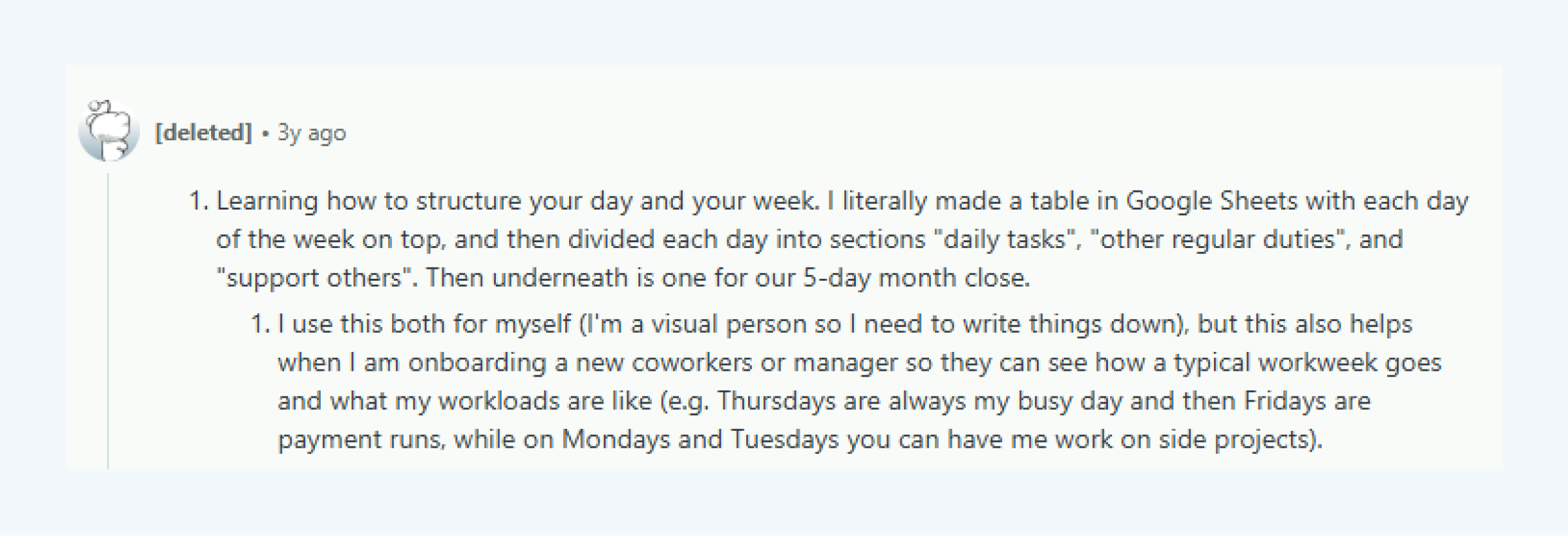
Time management shows up in how work is planned and how consistently it moves forward. It means breaking down deadlines into steps, setting realistic expectations, and making steady progress without constant check-ins. It also means building in time for unexpected requests without letting critical work slide.
How to strengthen this skill
The skill comes from planning your work with visibility in mind.
- Start with structure: Break larger tasks into smaller steps with specific timelines.
- Limit context switching: Tackle similar tasks together to stay focused.
- Set visible progress markers: Use task lists, status updates, or check-ins to stay aligned.
- Leave a margin in your calendar: Make space for reviews or urgent changes without disrupting other priorities.
6. Adaptability
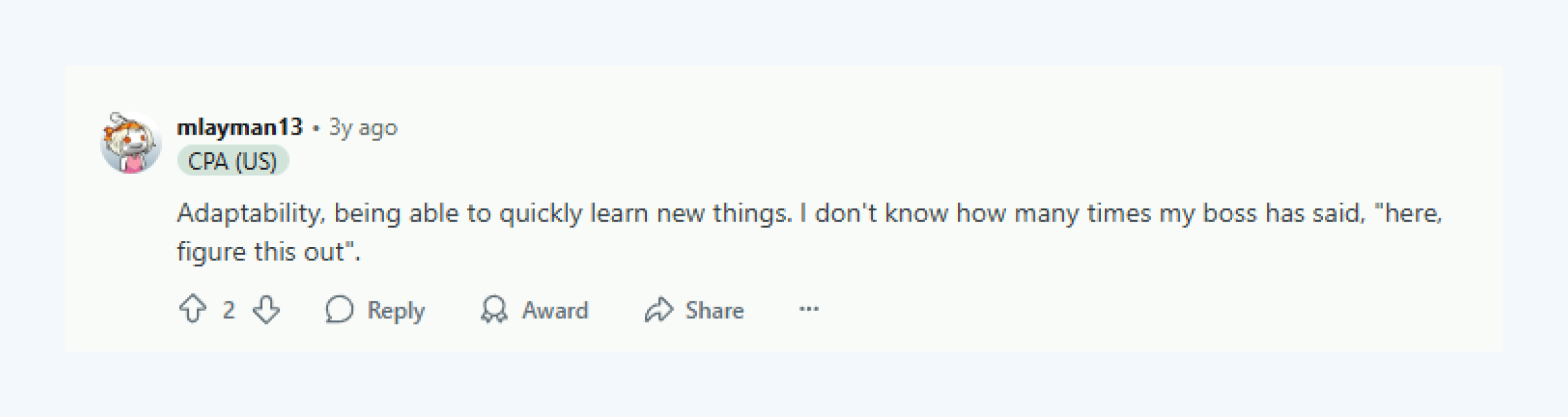
Tools, workflows, and expectations change fast in modern firms. Adaptability is one of the soft skills that helps teams navigate change without slowing down. It’s especially useful in firms adopting new technology or shifting how they serve clients.
What this skill looks like in practice
Adaptable team members adjust calmly when something shifts — a deadline moves, a client asks for something new, or a system changes. They’re open to feedback and willing to try new approaches. Instead of resisting updates, they focus on how to make them work well for everyone.
How to strengthen this skill
Adaptability improves when you try new approaches before they’re required.
- Take small risks often: Try new methods even when you don’t have to.
- Reflect on change: Look back after each shift and note what helped you adjust.
- Ask how others adapt: Learn from teammates who adjust quickly.
- Stay informed on trends: Subscribe to industry newsletters, listen to podcasts, or follow thought leaders.
7. Ownership
In a busy firm, performance isn’t isolated — one person’s delay can ripple across the entire team. That’s why ownership is one of the most important accounting soft skills. It builds the foundation for trust and makes it possible to delegate work without micromanaging.
What this skill looks like in practice
Accountants with strong ownership don’t wait to be told what’s next. They stay on top of deadlines, share progress openly, and raise issues before they become problems. It’s all about staying aware of how your work connects to the bigger picture and taking full responsibility from start to finish.
How to strengthen this skill
This skill develops through consistent, proactive habits.
- Keep your status visible: Share updates before people ask for them.
- Raise blockers early: Speak up when something’s off — don’t wait for it to escalate.
- Take full responsibility: Follow through even when things get messy.
- Look beyond your role: Help out where you can, especially when others are stuck.
Bringing it all together
Soft skills don’t come with certifications, but they’re often what set the most trusted team members apart. The importance of soft skills is especially clear in fast-paced firms, where strong collaboration and clear communication make all the difference. Whether you’re hiring or developing your own abilities, focus on the ones that make work more effective and relationships stronger — the results will speak for themselves.

Mari develops TaxDome content by combining customer insights, industry research, and real-world trends. Her structured, automation-driven approach ensures messaging is clear, relevant, and supports more connected and efficient accounting firms.
Get your free guide

Thank you!
The guide copy has been sent to your email. Please check your inbox!
Recommended articles

Why accountants are quitting: inside the forces reshaping the profession

How to start a virtual bookkeeping business from scratch
Accounting process improvement: Practical strategies, tools, and real-world examples