 US – English
 UK – English
 Canada – English
 Australia – English
 Danmark – Dansk
 DACH - Deutsch
 France – Français
 España – Español
 Sverige – Svenska
 Italia – Italiano
 Nederland – Nederlands
 Portugal – Português
 Suomi – Suomi
 Norge – Norsk
 日本 – 日本語
 Romanian – Română












How to choose a financial advisor: a step-by-step guide to finding the right partner
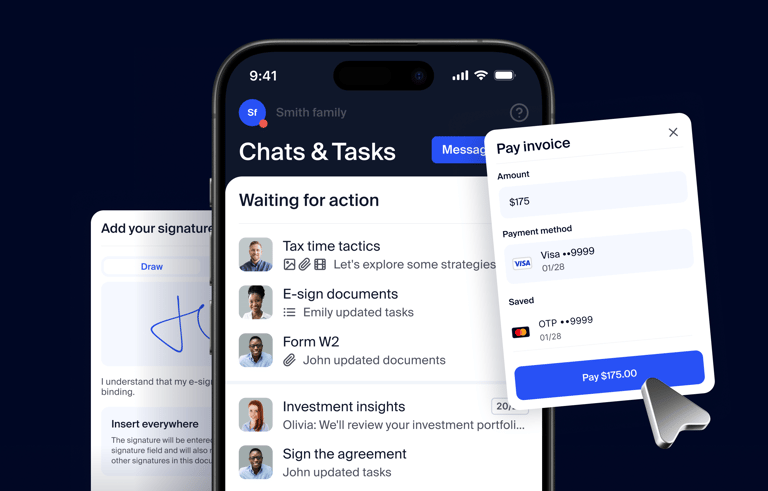
Run your entire firm on one platform

Key takeaways
- Fiduciary standard: Always choose a fiduciary legally obligated to put your interests first.
- Fee structure: Opt for fee-only advisors to minimize conflicts of interest.
- Credentials: Look for gold-standard designations like CFP® or CFA.
- Verification: Always run a background check using free regulator databases.
Choosing a financial advisor is a major decision, but many people pick one the same way they’d choose a dentist: a friend’s recommendation, a name that turns up in a search, or a polished ad.
In this guide, we’ll walk through how to choose a financial advisor by looking past marketing promises to the details that actually protect your money. In particular, an advisor’s legal obligations, how they get paid, and the credentials that separate a qualified advisor from someone with a title.
Table of сontents
- The pros and cons of working with a financial advisor
- Step 1: Define your financial goals and needs
- Step 2: Understand the different types of financial advisors
- Step 3: Learn how financial advisors get paid
- Step 4: Check qualifications and industry credentials
- Step 5: Research the advisor’s background and track record
- Step 6: Ask these essential questions during the interview
- FAQs
- Find an organized financial advisor via the TaxDome Firm Directory
Table of сontents
- The pros and cons of working with a financial advisor
- Step 1: Define your financial goals and needs
- Step 2: Understand the different types of financial advisors
- Step 3: Learn how financial advisors get paid
- Step 4: Check qualifications and industry credentials
- Step 5: Research the advisor’s background and track record
- Step 6: Ask these essential questions during the interview
- FAQs
- Find an organized financial advisor via the TaxDome Firm Directory
The pros and cons of working with a financial advisor
Working with a financial advisor has real benefits, but it isn’t free of trade-offs, and weighing both sides helps you decide whether choosing a financial advisor is the right move before you start comparing candidates.
On the plus side, a financial advisor brings discipline to saving and investing that’s hard to replicate alone. Their expertise is invaluable during market downturns, when an objective third party can stop you from panic-selling out of a retirement account at the worst possible time. Advisors also open doors to more complex strategies and products, such as tax-loss harvesting, trust structures, and alternative investments. Most individual investors would struggle to access or evaluate these on their own.
On the other hand, advice isn’t free. Ongoing fees can add up over decades. Finding the right match takes real effort, and not every advisor is required to put your interests ahead of their own, which creates the potential for conflicts of interest covered in the next section.
Step 1: Define your financial goals and needs
Before you start searching, get specific about what you actually need help with. “I want to be better with money” is too vague to match you with the right professional. Do you need comprehensive retirement planning, a tax strategy tied to a business sale, or ongoing investment management for a growing portfolio?
For example, retirement planning is one of the most common reasons people hire a financial advisor, but the scope varies enormously. Someone 30 years from retirement needs a different kind of advice than someone five years out and weighing sequence-of-returns risk. Getting clear on your goals before you start interviewing candidates also helps you avoid paying for services, like full wealth management, that you don’t actually need yet.
Account minimums: do you need to be wealthy to hire an advisor?
One of the biggest misconceptions about choosing a financial advisor is that you need to already be wealthy. Traditional wealth managers can require significant account balances, and advisors commonly set a minimum AUM of $250,000 for full-service, fee-based investment management. Below that threshold, modern financial planners who charge flat or hourly fees, and robo-advisors with little or no minimum balance requirement at all, have made professional guidance accessible regardless of your current balance.
Step 2: Understand the different types of financial advisors
“Financial advisor” isn’t a regulated title. It’s an umbrella term that covers several distinct roles, and knowing which one you’re interviewing matters as much as choosing a financial advisor in the first place.
A wealth manager typically works with high-net-worth clients on investments, estate planning, and tax strategy. A financial planner takes a broader view, building a comprehensive plan across retirement, insurance, and cash flow, and may or may not manage your investments directly.
A broker executes trades and sells investment products, sometimes earning commissions on what they sell. An investment advisor, meanwhile, is registered with the SEC or a state regulator specifically to provide ongoing investment advice, usually for an asset-based fee.
Robo-advisors round out the list, offering algorithm-driven portfolio management at a fraction of the cost of a human advisor, with little personal guidance.
Fiduciary vs. non-fiduciary: why it matters
This is the most important distinction in choosing a financial advisor. A fiduciary is legally required to act in your best interest at all times, even when that means recommending a lower-fee product that pays the advisor less.
A non-fiduciary is typically held to the suitability standard instead, which only requires that a recommendation be “suitable” for your situation, not necessarily the best or cheapest option available, and a suitable recommendation can still carry a higher commission.
Before signing anything, ask directly: “Are you a fiduciary at all times when advising me?” Get the answer in writing, since some professionals are fiduciaries for certain accounts but not others.
Step 3: Learn how financial advisors get paid
How an investment advisor gets paid shapes the advice you receive, so understanding the three main fee models is essential before choosing a financial advisor.
Fee-only advisors are paid directly by clients, through a percentage of assets under management (AUM), a flat fee, or an hourly rate, with no commissions from product sales. This model minimizes conflicts of interest because the advisor has nothing to gain from steering you toward a particular product.
Commission-based advisors, by contrast, earn money when you buy specific investment or insurance products, which can quietly bias their recommendations. Fee-based advisors sit in between, charging client fees while still accepting commissions on certain products, so it’s worth asking exactly which parts of their compensation come from you and which come from a third party.
On a typical retirement portfolio, fee-only advisors who charge based on AUM average close to 1% annually, though the rate often runs between 1.1% and 1.5% for balances near $250,000, and lower for larger accounts.
| Fee model | How it works | Watch for |
| Fee-only | Paid directly by you: AUM percentage, flat fee, or hourly rate | No commissions; lowest conflict of interest |
| Commission-based | Paid by product providers when you buy investments or insurance | Recommendations may skew toward higher-commission products |
| Fee-based | Combines client fees with product commissions | Ask which portion of pay comes from you vs. a third party |
Step 4: Check qualifications and industry credentials
Credentials are one of the fastest ways to separate a qualified investment advisor from someone who’s simply comfortable talking about money. The three designations worth prioritizing are CFP® (Certified Financial Planner), CFA (Chartered Financial Analyst), and ChFC (Chartered Financial Consultant), each requiring structured coursework, an exam, and ongoing ethics obligations.
The CFP® mark is the gold standard for holistic financial planning, covering retirement, tax, and estate strategy. There are more than 100,000 CFP® professionals in the US, representing about 1 in 3 financial advisors nationwide. That number reached an all-time high of 107,529 by the end of 2025, so the designation is common enough to prioritize without narrowing your search too far.
The CFA charter, by contrast, skews toward investment analysis and portfolio management rather than personal financial planning, requiring three sequential exams plus 4,000 hours of qualified investment-related work experience, making it a strong signal for advisors managing more complex portfolios.
| Designation | Focus area | Best fit for |
| CFP® (Certified Financial Planner) | Holistic financial planning: retirement, tax, estate, insurance | Comprehensive, goal-based planning |
| CFA (Chartered Financial Analyst) | Investment analysis and portfolio management | Complex or large investment portfolios |
| ChFC (Chartered Financial Consultant) | Financial planning with added insurance and estate coursework | Planning that leans on insurance strategy |
Step 5: Research the advisor’s background and track record
Even a well-credentialed investment advisor can carry disciplinary history worth knowing about before you sign an agreement. Checking is free and takes only a few minutes.
For brokers, FINRA’s BrokerCheck shows registration history, licensing exams passed, and any customer disputes or regulatory actions. For investment advisers registered with the SEC or a state regulator, the SEC’s Investment Adviser Public Disclosure (IAPD) database shows the same kind of history. This includes the firm’s Form ADV, which discloses fees, conflicts of interest, and disciplinary events in detail.
As the SEC notes, you can check out the disciplinary history of brokers and advisers for free using the SEC’s and FINRA’s online databases. Running both checks, even on an advisor a friend recommended, takes the guesswork out of choosing a financial advisor and should happen before your first paid meeting, not after.
Step 6: Ask these essential questions during the interview
Once you’ve narrowed your list, treat the first meeting as a two-way interview, not a sales pitch you’re expected to sit through. Most advisors offer a free introductory call, and this is where choosing a financial advisor stops being abstract and starts being about fit.
Come with a short list of questions covering fees, services, and philosophy, and pay attention to how directly the advisor answers each one. Vague answers about compensation, or reluctance to put fiduciary status in writing, are worth treating as a warning sign in themselves, not just a gap to follow up on later.
Practical vs. relational questions
Practical questions cover the mechanics of the relationship: How are you paid, and can you put your fee schedule in writing? How often will we meet, and how do you communicate between meetings? What’s your investment philosophy, and how do you handle a market downturn?
Relational questions determine the right fit: Do you have experience with clients at a similar life stage or with similar retirement goals? How do you handle disagreements about risk tolerance? Both matter. A technically excellent investment advisor who never returns calls, and a personable one who can’t clearly explain their fee structure, are each their own kind of red flag.
What to gather before your first meeting
Coming prepared speeds up the first meeting and gives the advisor a realistic picture to work from. Gather a summary of your current assets and account statements, outstanding debts, monthly income and expenses, and existing insurance policies. If you’re sharing sensitive documents like tax returns or account numbers ahead of time, use a secure, encrypted method rather than email attachments. TaxDome’s guide to sending tax documents securely walks through safer alternatives, and its cybersecurity guide for accounting and financial data covers the broader precautions worth taking before you hand anything over.
FAQs
What is the average fee for a financial advisor?
Advisors who charge based on assets under management typically charge close to 1% annually, though the rate often runs between 1.1% and 1.5% on balances near $250,000, and the rate drops as accounts grow larger.
What are the red flags of financial advisors?
Watch for promises of high returns with little or no risk, pressure to decide immediately, vague answers about fees, and any unwillingness to confirm fiduciary status or registration through free regulator databases like BrokerCheck and IAPD.
Is $200,000 enough to work with a financial advisor?
Often, yes. Traditional AUM-based wealth managers commonly set minimums around $250,000 (see Step 1), but fee-only planners charging flat or hourly rates, along with robo-advisors, typically have no asset minimum at all, so $200,000 clears the bar for most fee-only planning relationships.
What not to do when selecting a financial advisor?
Don’t hire on a referral alone without verifying credentials, skip the fiduciary question, accept a vague fee explanation, or ignore a disciplinary history turned up in a background check.
Find an organized financial advisor via the TaxDome Firm Directory
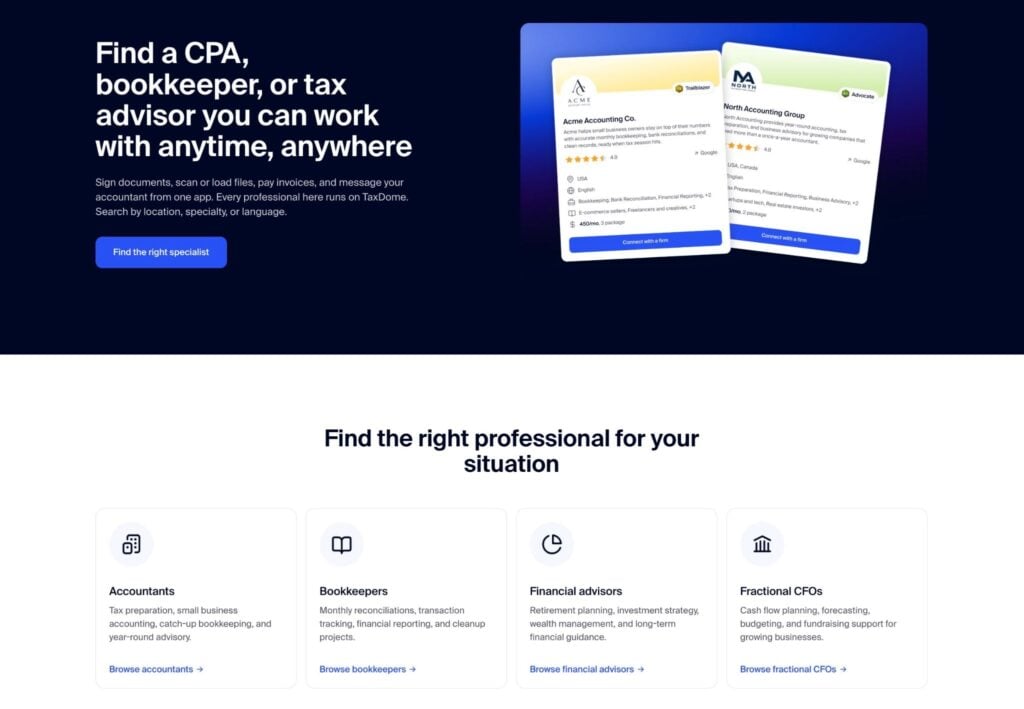
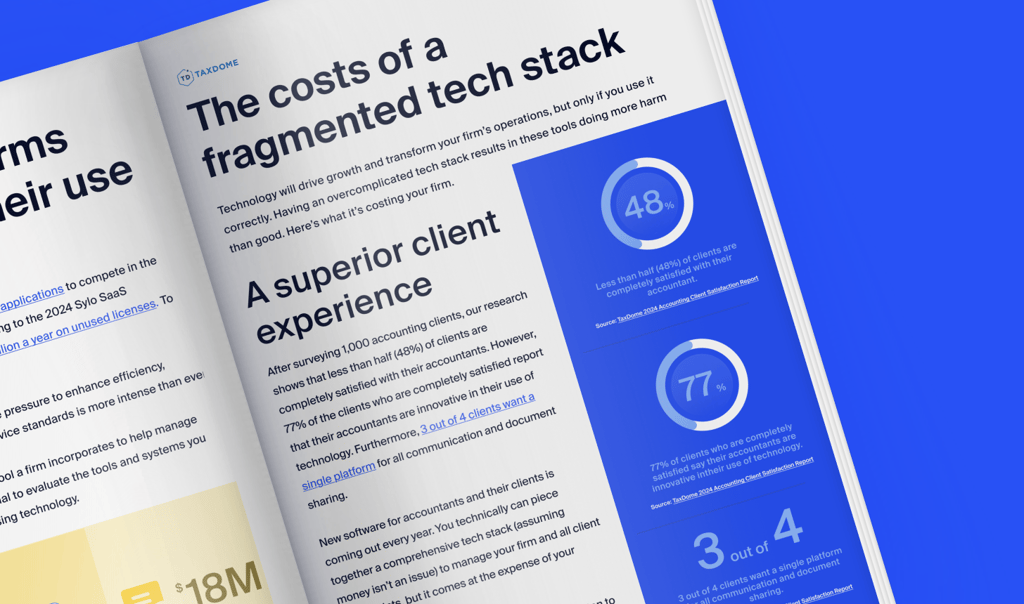
The best financial advisors today use the latest technology to deliver the best possible experience and service standards to their clients. We know this because 77% of satisfied clients cite their accountant’s or advisor’s innovative use of technology as a key reason.
The advisors you’ll find in our Accountant and Advisor finder all use TaxDome to deliver five-star service quality to their clients. Don’t take our word for it. The proof is in the 4.9/5 rating from 38,000+ reviews from clients themselves.
These are trusted, reputable advisors who genuinely care about client outcomes, which is precisely why they use TaxDome.

Jeff writes for TaxDome with experience in accounting, finance, and invoicing industries. He focuses on educating users about accounting trends and maximizing productivity through practical guidance on TaxDome’s features.
Get your free guide

Thank you!
The guide copy has been sent to your email. Please check your inbox!
Recommended articles
Niche Business Accounting Report statistics: what business clients will pay for specialized expertise

Buy Now, Pay Later: offer clients payment flexibility

Top AI tools for accountants in 2026: key features and use cases compared