 US – English
 UK – English
 Canada – English
 Australia – English
 Danmark – Dansk
 DACH - Deutsch
 France – Français
 España – Español
 Sverige – Svenska
 Italia – Italiano
 Nederland – Nederlands
 Portugal – Português
 Suomi – Suomi
 Norge – Norsk
 日本 – 日本語
 Romanian – Română












What is accounting workflow management? The complete guide with real-world examples
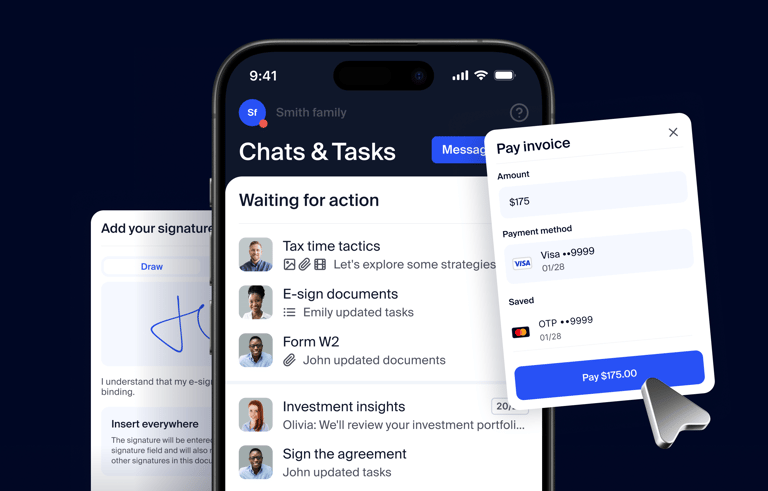
Run your entire firm on one platform
When your workload increases, it pays to be organized. Of course, organization looks different for many people and businesses based on their goals and needs. For accountants, staying organized is essential if you want to successfully balance communication, marketing, growth, and focused accounting work. That’s where having an effective accounting workflow — and a solid workflow management system to support it — comes in.
Table of сontents
Table of сontents
What is an accounting workflow?
An accounting workflow shows what needs to happen. Workflow management ensures it actually does — on time, by the right person, and without missing a step. It brings order to complexity, especially when you’re managing recurring tasks across multiple clients and services.
For bookkeepers, a typical workflow might include recording transactions, reconciling accounts, generating reports, and closing the books. For tax professionals, it could mean gathering documents, preparing returns, securing client approvals, filing, and invoicing.
Workflow management makes those processes measurable and repeatable. It lets you set deadlines, automate reminders, and monitor progress at every stage — essential when you’re juggling a high volume of work and can’t afford delays.
Benefits of workflow management for accounting firms
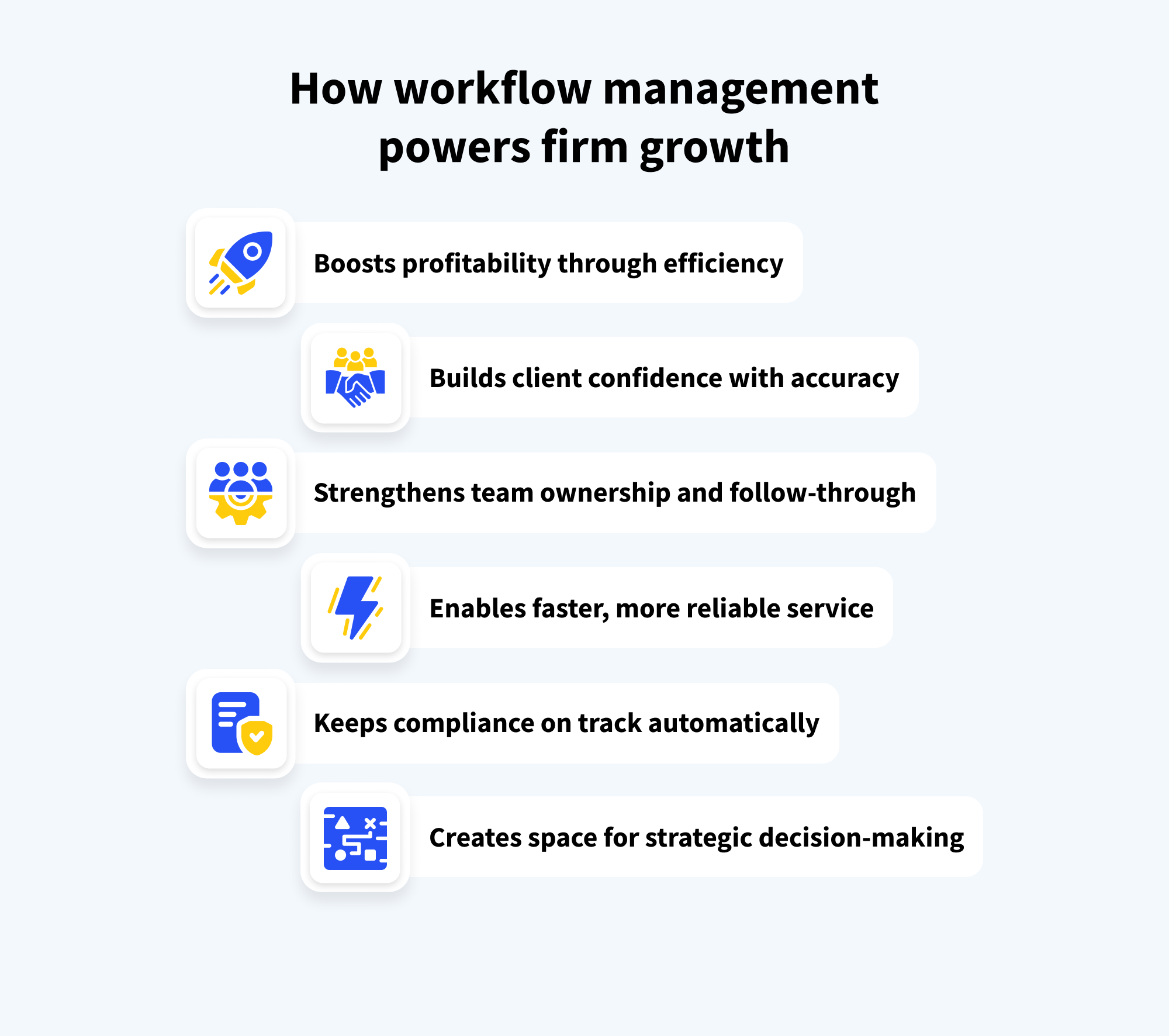
As firms grow, so do the challenges of staying efficient and delivering consistent results. That’s why top-performing practices invest in strong workflow management — it aligns your team, improves client delivery, and drives sustainable growth.
1. Efficiency gains that scale.
Manual coordination eats up time. Workflow management reduces administrative overhead by automating task assignments, follow-ups, and status updates, helping your team do more in less time, without sacrificing quality.
2. Accuracy you can rely on.
In accounting, one small mistake can lead to big consequences. Structured workflows with built-in review stages reduce errors and standardize quality control across all client work.
3. Clear ownership and accountability.
When everyone knows what’s expected of them (and when), there’s less room for delays, miscommunication, or duplicate work. Workflow management makes responsibilities visible and trackable at every stage.
4. Happier clients.
Faster turnaround times, fewer errors, and timely communication all lead to a better client experience. Clients notice when things run like clockwork and that translates to trust and retention.
5. Built-in compliance protection.
With deadlines, documentation, and review steps built into your workflows, regulatory requirements don’t fall through the cracks even during busy season.
6. Data-driven improvement.
Workflow tools provide insights into where bottlenecks happen, which tasks take the most time, and how to optimize your team’s output. This visibility lets you make smarter decisions faster.
Key elements of effective accounting workflow management
Workflow management isn’t just a tool — it’s a mindset. It’s about designing systems that help your firm deliver consistent, high-quality work even as demands increase.
Here’s what needs to be in place for your workflow management strategy to actually work in practice.
1. Templates and standardized processes
Accounting templates are the foundation of consistency. Whether you’re creating engagement letters, task checklists, or reporting structures, reusable templates allow your team to complete repeatable tasks faster and with fewer errors.
Templates also support training and delegation — new team members can jump into work without guesswork, and senior staff can confidently assign tasks knowing the output will meet firm standards.
2. Standardized processes
Standardized processes are the backbone of every high-functioning firm. These define the exact steps your team follows for common services like monthly bookkeeping or tax preparation. When everyone follows the same playbook, it reduces confusion, increases accountability, and ensures the quality of work remains consistent across clients no matter who’s doing the work.
Together, templates and standardized processes create a system that supports onboarding, delegation, and training while minimizing disruption and rework.
3. Integration across your firm’s operations
A key part of workflow management is making sure information flows freely across all the moving parts of your firm. That means breaking down silos so your team isn’t constantly duplicating work or searching for missing context.
For example, your workflow should account for where financial data comes from, how it’s reviewed, and when it’s handed off between staff. It should also ensure that critical touchpoints like invoicing, client approvals, or compliance checks are built into the overall process — not added on later.
When your systems, people, and processes are aligned, your team can stay focused instead of jumping between tools or working off incomplete information.
4. Scalability and resource planning
If your workflow only works when things are quiet, it’s not really working. True workflow management means planning for growth before you need it.
That starts with understanding how work flows through your firm — who’s responsible for what, how long it takes, and where things tend to get stuck. From there, you can build scalable processes that grow with your client base and team size.
Some practical ways to support scalability:
- Define clear roles for each stage of service delivery
- Use repeatable workflows for different client types or service lines
- Build in checkpoints that help you maintain quality as you grow
A scalable workflow creates space for higher-margin work, reduces staff burnout, and helps you grow without dropping the ball.
5. Feedback loops for continuous improvement
An effective accounting workflow isn’t static — it evolves with your firm. That evolution depends on feedback.
Staff input is essential. They’re the ones navigating the day-to-day work, so they’ll be the first to notice friction points or unclear steps. Encourage open discussion and create regular space for process feedback.
Client feedback is equally valuable. Ask about their experience during onboarding, tax season, and after deliverables are sent. Insights here can reveal misaligned expectations, communication gaps, or process inefficiencies.
Lastly, leadership reviews tie it all together, assessing whether current workflows align with firm goals like improving margins, shortening turnaround time, or reducing client churn.
Why do you need software to power workflow management?
Building a solid workflow is only half the equation — managing it efficiently is where software becomes essential. As your firm grows, manual tracking quickly becomes unsustainable. Workflow management software centralizes everything: task assignments, deadlines, client communications, and review stages — all in one place.
It eliminates guesswork, keeps everyone on the same page, and gives you real-time visibility into where each job stands. You can spot bottlenecks, reassign tasks, and ensure nothing gets missed without digging through emails or spreadsheets.
That’s exactly what TaxDome is built for. TaxDome’s workflow management tools help accounting firms automate repetitive steps, track every deliverable, and create consistent client experiences at scale. You can build custom workflows, use templates, set automatic triggers and reminders, and monitor progress — all from one platform.
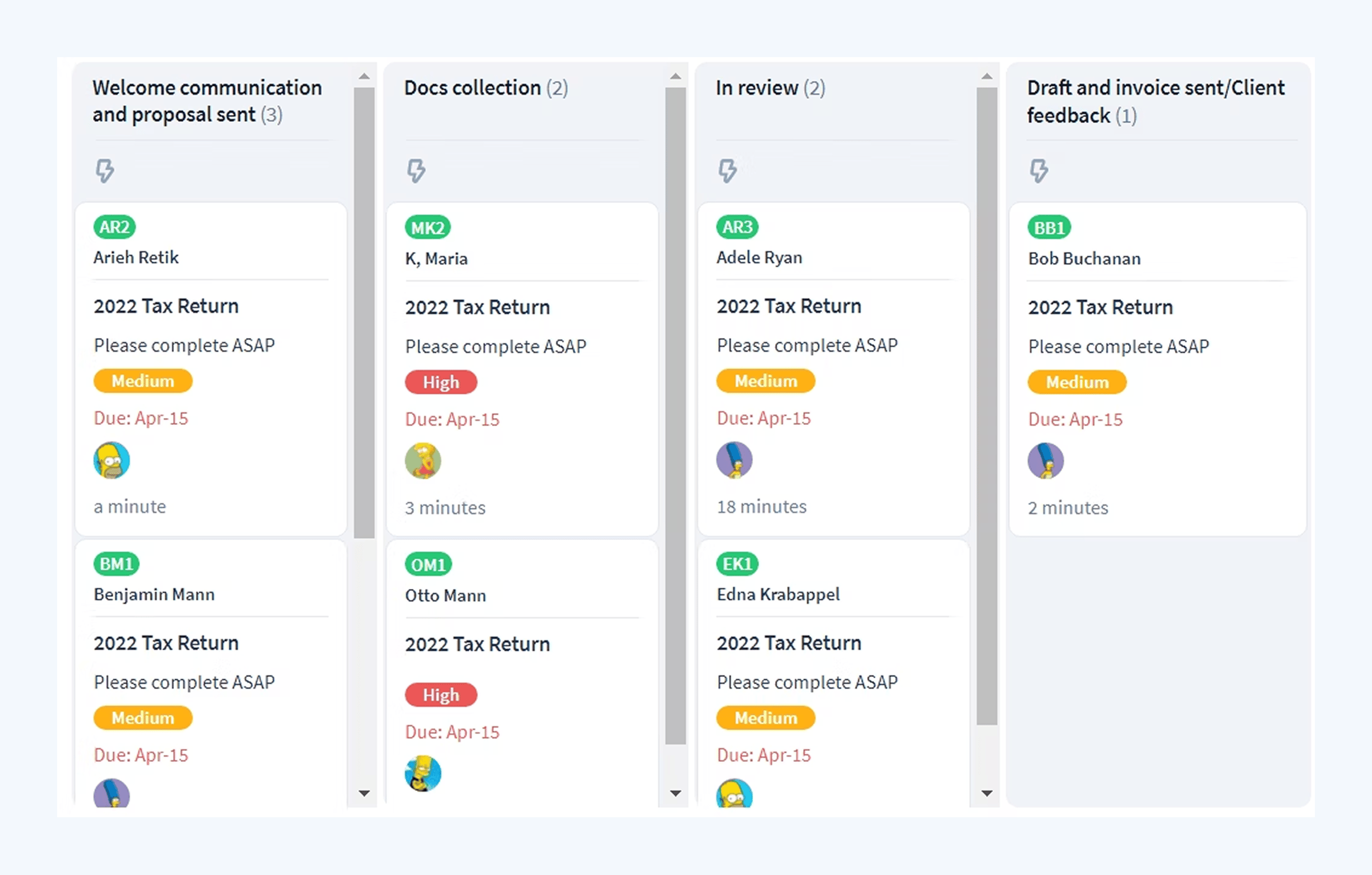
5 examples of accounting workflows
Of course, there are different workflows within an accounting firm that seek to achieve different goals. Here’s a look at a few workflows you may want to improve within your firm.
1. Client onboarding
Effective client onboarding helps streamline communication, sets clear expectations, and gets you the necessary information to serve your clients. You’ll begin with an initial engagement letter that clearly outlines your terms and conditions, services, prices, and other vital information your clients need.
Once everything is agreed upon and your client has signed the engagement letter, you’ll need to gather all essential information and documentation. This is where CRM (customer relationship management) and practice management tools come in handy. They can:
- Automatically send the initial communication
- Collect and store the signed document
- Provide any welcome materials
- Send a list of necessary information and documents the client needs to provide
- Automatically import this information into your CRM
You can save a lot of time in this process if your workflow is standardized and automated — especially when you’re onboarding a lot of new clients all at the same time.
2. Client communication
Communication is a key aspect of running an accounting firm, whether you’re updating clients on the status of their jobs or requesting additional information. To keep this communication as organized and efficient as possible, it’s best to have clear communication channels through a single source so you’re not wasting time jumping between your email inbox or any other chats you may utilize.
This single source can help you communicate with clients in a variety of ways. For example, TaxDome allows clients to securely communicate with accounting professionals through synced email, in-portal chats, the client mobile app, and even SMS text messaging. All this communication is then delivered to accountants and bookkeepers within the TaxDome platform, making it easier to keep track of everything and save time.
3. Accounting true-up
True-up is essential for ensuring that your financial records accurately reflect your firm’s real financial status. It adjusts preliminary estimates, accruals, and provisions to match actual amounts and corrects any mismatches between estimated figures and real outcomes.
Key parts of this workflow include:
- Adjusting tax provisions after tax returns are filed
- Updating accruals for expenses like utilities and rent based on actual invoices
- Reconciling inventory costs
- Adjusting asset depreciation according to usage
Read more in our blog about true-up best practices to help you create an effective workflow.
4. Monthly financial closing
Speaking of workflows for keeping your firm’s financial records in order, you’ll save your team time and energy if you have a consistent workflow for your monthly financial closing. To do this, you’ll need to establish clear processes for each step, identify who is responsible for each, and set timelines for completing these tasks.
- Reconcile all accounts
- Review accounts receivable
- Review accounts payable
- Adjust journal entries
- Prepare financial statements
- Review and approve
After everything is completed and approved, share the final reports with everyone involved. This keeps everyone informed about the firm’s financial performance and aware of the entire workflow, so they can offer feedback for improvement.
If you want a closer look at each of these steps, this month-end close process guide breaks down the full process in more detail.
5. Accounts receivable
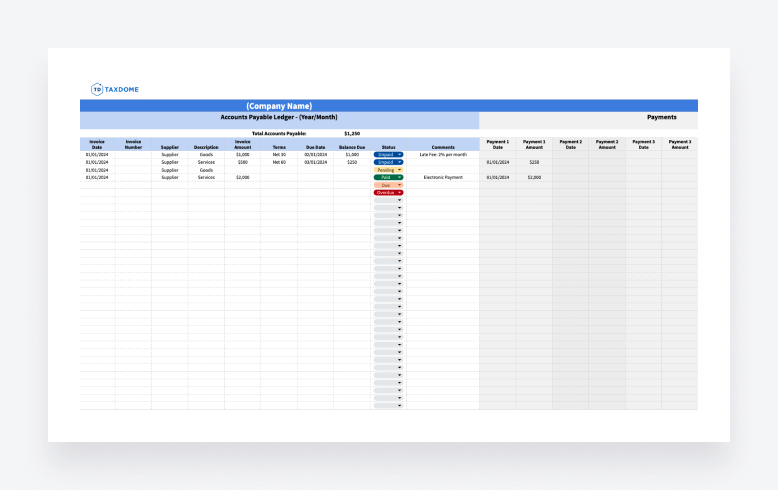
Keeping track of the money clients owe you is vital for understanding your business’s financial health. Templates help you organize and clear everything while having a streamlined process.
Using a template for accounts receivable provides a multitude of values and benefits, such as:
- A consistent and standardized process that reduces the likelihood of errors
- Time savings due to not having to spend time formatting
- Increased ability to track and manage financial data
- Saving time when preparing for audits
- Reduces the effort it takes to train new team members while maintaining standards
How to implement and maintain an accounting workflow
Creating an effective accounting workflow management system is not always a straightforward process — there’s some trial and error involved. But by following a structured approach, you can establish a strong foundation to work from.
Start with these steps:
- Assessment of current practices
Conduct a thorough review of the existing accounting processes and workflows within your firm. Evaluate how transactions are recorded, how data flows through the system, and how tasks such as invoicing, payments, and reporting are managed. This will identify inefficiencies, redundancies, and areas where your current workflow is lacking. - Research accounting workflow tools
Look for accounting workflow software that fits your needs. Consider features, costs, integration, and scalability. You want something that’s easy to use, saves you time with automation, helps improve accuracy through organization, and provides other useful features to your workflows. - Train your staff
Organize comprehensive training sessions that cover how to use the new tools effectively, any changes in workflow processes, and how to handle any issues that arise. Make sure you provide adequate time for this training so that your staff are well prepared for when the new workflows go into effect. - Monitor for optimization
Continuously monitor your new workflows to discover anything that was missed or where there are opportunities for improvement. This will not only increase efficiency over time but will also train your firm to adapt to changes.
Once you have your workflow in place, develop key performance indicators (KPIs) to help you monitor and optimize your workflow automations. Gathering feedback from team members at all levels will also help you make adjustments that improve everyone’s efficiency.
Key takeaways
Effective workflow management is more than just task tracking — it’s a strategic framework that allows accounting firms to deliver high-quality work, stay compliant, and scale with confidence.
Whether you’re running a solo firm or scaling a growing accounting practice, building reliable workflows is essential for delivering consistent results and adapting to client needs.

Mari develops TaxDome content by combining customer insights, industry research, and real-world trends. Her structured, automation-driven approach ensures messaging is clear, relevant, and supports more connected and efficient accounting firms.
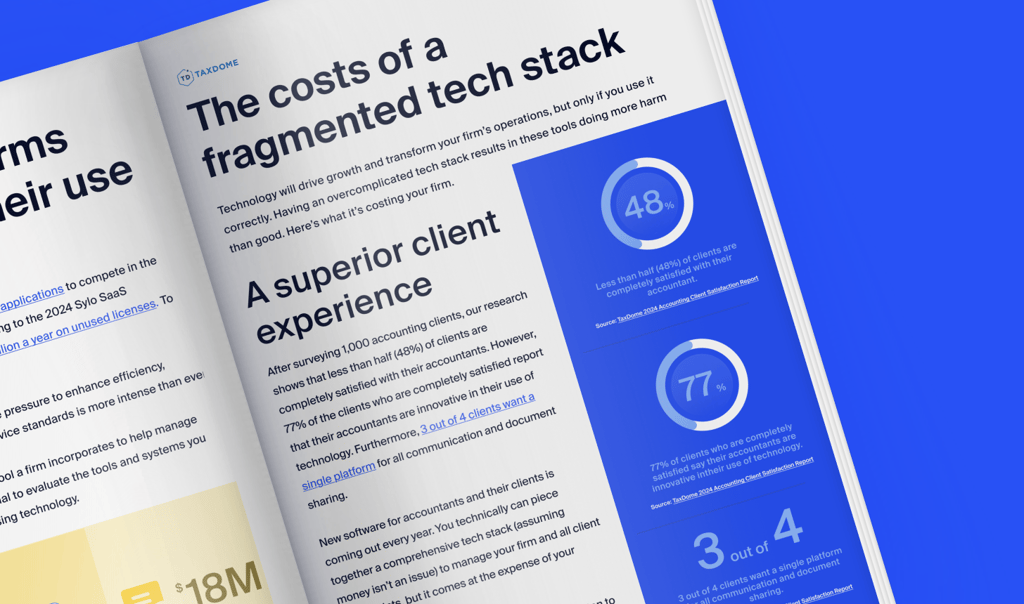
Get your free guide

Thank you!
The guide copy has been sent to your email. Please check your inbox!
Recommended articles
ChatGPT for accountants: 12 strategies to automate your workflows

12 best free online accounting courses with certifications for 2026

Top 9 free online bookkeeping courses with certificates in 2026