 US – English
 UK – English
 Canada – English
 Australia – English
 Danmark – Dansk
 DACH - Deutsch
 France – Français
 España – Español
 Sverige – Svenska
 Italia – Italiano
 Nederland – Nederlands
 Portugal – Português
 Suomi – Suomi
 Norge – Norsk
 日本 – 日本語
 Romanian – Română












Accounting for beginners: 5 things you need to know

Run your entire firm on one platform

Whether you’re a budding entrepreneur, a student considering a career in finance, or simply someone who wants to better comprehend their personal finances, understanding the basics of accounting is essential. Accounting forms the backbone of financial reporting, helping individuals and businesses keep track of their financial activities, evaluate performance and make informed decisions. Below we’ll go over the 5 fundamental concepts of accounting and give you a platform to build on.
Table of сontents
1. Debits and credits: the language of transactions
At the heart of accounting lies the concept of debits and credits. These are like the verbs and nouns of financial transactions, conveying the movement of money within accounts. Every transaction involves at least two accounts: one account receives a debit (increase) and another account receives a credit (decrease). This double-entry system ensures that the accounting equation remains balanced.
2. Assets and liabilities: the financial snapshot
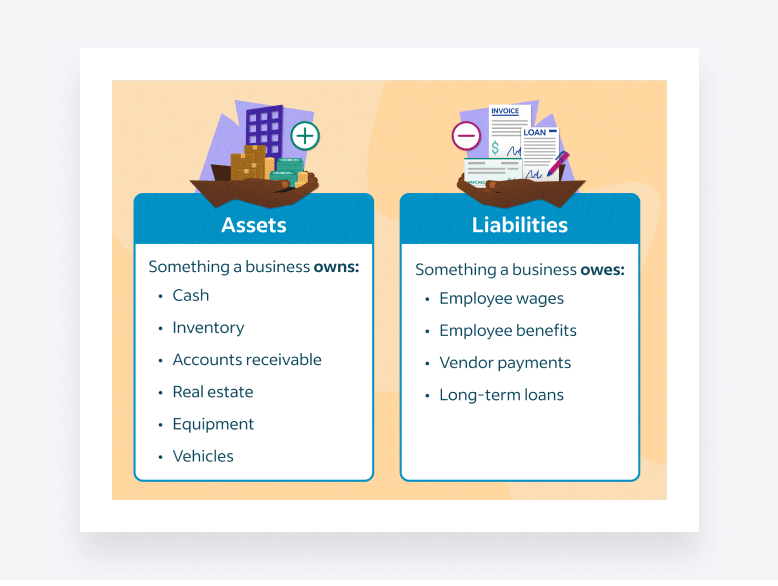
Assets and liabilities are key elements of the balance sheet, one of the three major financial statements. Assets represent what an entity owns or controls, such as cash, accounts receivable, and property. Liabilities, on the other hand, denote obligations or debts, including loans, accounts payable, and accrued expenses. The balance sheet provides a snapshot of an entity’s financial position at a specific point in time, illustrating how its assets are financed through liabilities and owner’s equity.
Acquiring all this information about a business or individual usually involves admin hassle. Pestering clients to paint a full picture of their business with endless questions is part of the deal.
But there’s a way to streamline this process: electronic questionnaires. TaxDome offers such an option in the form of organisers. These are essentially customisable questionnaires that your clients receive through an online portal (inside TaxDome). There are multiple features which make organisers user-friendly, such as auto-fill answers or compare answers — from previous organisers.
3. The accounting equation aka the balancing act of business
The fundamental equation of accounting states that Assets = Liabilities + Owner’s Equity. This equation emphasises the relationship between what a business owns (assets) and how it’s financed (liabilities and owner’s equity). Any change to one side of the equation must be matched by a corresponding change on the other side to maintain the balance.
Issues arise when the numbers don’t quite add up, so it’s important to rectify these as soon as possible. A secure chat system is another feature TaxDome offers, on top of organisers, to get the info you need. Unlike organisers, chat is a quicker way to contact clients, especially when you only need to find out a couple of things. Emailing them is another option: your correspondence can be synced automatically through TaxDome as well.
4. Financial statements: unveiling the story behind numbers
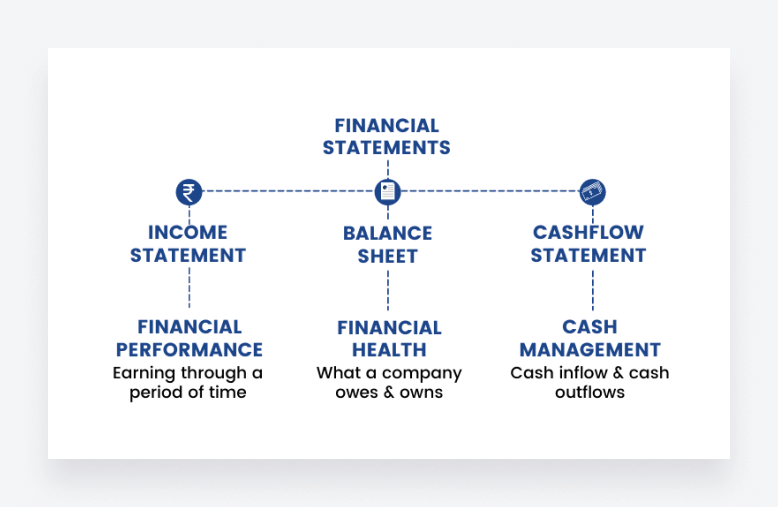
Financial statements are the outcome of meticulous accounting processes, and offer insight into a company’s financial health and performance. The three primary financial statements are:
- Income Statement: Also known as the profit and loss statement, this report details an entity’s revenues, expenses, and net income (or net loss) over a specific period. It helps assess profitability and operational efficiency.
- Balance Sheet: As mentioned earlier, the balance sheet presents a snapshot of an entity’s financial position. It showcases the relationship between assets, liabilities, and owner’s equity, revealing the company’s overall financial stability.
- Cash Flow Statement: This statement tracks the inflow and outflow of cash during a particular period, highlighting sources and uses of cash. It categorises cash flows into operating, investing, and financing activities.
Financial statements are key to businesses as they allow them to evaluate their progress and ways to improve. If the financial statements are subsequently filed with the local tax authorities, It’s common practice to approve the statements with your client first. You can request signatures and enable clients to sign off on statements online: TaxDome’s e-signing functionality is part of the platform’s package.
5. Interrelationship of financial statements
While each financial statement provides unique insights, they are interconnected. The net income (or net loss) from the income statement directly affects the owner’s equity on the balance sheet. Additionally, the net change in cash on the cash flow statement corresponds to the change in cash and cash equivalents on the balance sheet.
Understanding how these statements relate helps in gauging a company’s financial performance more comprehensively. The ultimate goal is to use this information to make informed decisions about investments, operations, and strategic planning.
Wrapping up
Accounting may seem complex at first, but once you grasp these fundamental concepts, you’ll have a solid foundation for comprehending financial data and making informed decisions. Debits and credits, assets and liabilities, the accounting equation, and the interplay of financial statements all play crucial roles in demystifying the world of accounting. Whether you’re managing a business or your personal finances, these concepts are invaluable tools that will help you navigate the financial landscape with confidence.
It’s also important to utilise software that is actually going to help you manage these processes and make your life easier. That’s where TaxDome comes in. Our practice management software is the perfect tool for aspiring accountants as it gives them an online portal where they can store all their information and data as well as getting a clear overview of the ongoing work. Whether you are a solopreneur or a business, TaxDome can offer you a pricing point to meet your needs.
Want to find out more about TaxDome? Book a demo with one of our experts.

Samuel is the UK Country Manager for TaxDome in charge of all operations within the region. He oversees a wide range of tasks, including sales and product growth. Samuel actively engages in industry events to boost product visibility and partakes in online events such as webinars to share information to his community. Leveraging his expertise, he formulates and executes strategic plans to drive revenue generation and expand market presence.

Get your free guide

Thank you!
The guide copy has been sent to your email. Please check your inbox!
Recommended articles

Why accountants are quitting: inside the forces reshaping the profession

How to start a virtual bookkeeping business from scratch
Accounting process improvement: Practical strategies, tools, and real-world examples