 US – English
 UK – English
 Canada – English
 Australia – English
 Danmark – Dansk
 DACH - Deutsch
 France – Français
 España – Español
 Sverige – Svenska
 Italia – Italiano
 Nederland – Nederlands
 Portugal – Português
 Suomi – Suomi
 Norge – Norsk
 日本 – 日本語
 Romanian – Română







Can accountants work from home? Exploring the potential of remote accounting
Run your entire firm on one platform
For years, accounting was the kind of work people pictured happening in an office — stacks of files, a ringing phone, and a steady flow of clients stopping by to sign something. Today that picture is quickly fading, and the question isn’t whether accountants can work from home — it’s how many already are.
In this article, we’ll explore what remote accounting really means in practice: how firms make it work, the advantages it brings, the roles best suited for it, and the tools that keep everything running seamlessly.
Table of сontents
- Is it really possible to work from home as an accountant?
- Why remote accounting works — for firms and for people
- The most common accounting jobs you can do from home
- How to create the right setup to work from home effectively
- Practical tips to help accountants work from home effectively
- How remote work is reshaping the future of accounting
Table of сontents
- Is it really possible to work from home as an accountant?
- Why remote accounting works — for firms and for people
- The most common accounting jobs you can do from home
- How to create the right setup to work from home effectively
- Practical tips to help accountants work from home effectively
- How remote work is reshaping the future of accounting
Is it really possible to work from home as an accountant?
Remote work has become part of how modern business operates. When people have the chance to work flexibly, 87 percent take the opportunity. Only one in four job seekers wants an on-site position, and almost 70% of companies now want the majority of their workforce to work from home at least once a week. The appeal is clear — people want autonomy, and organizations are learning that productivity doesn’t depend on being in the same room.
Finance and accounting jobs are no exception: many of the top remote employers on FlexJobs’ list actively hire for these roles.
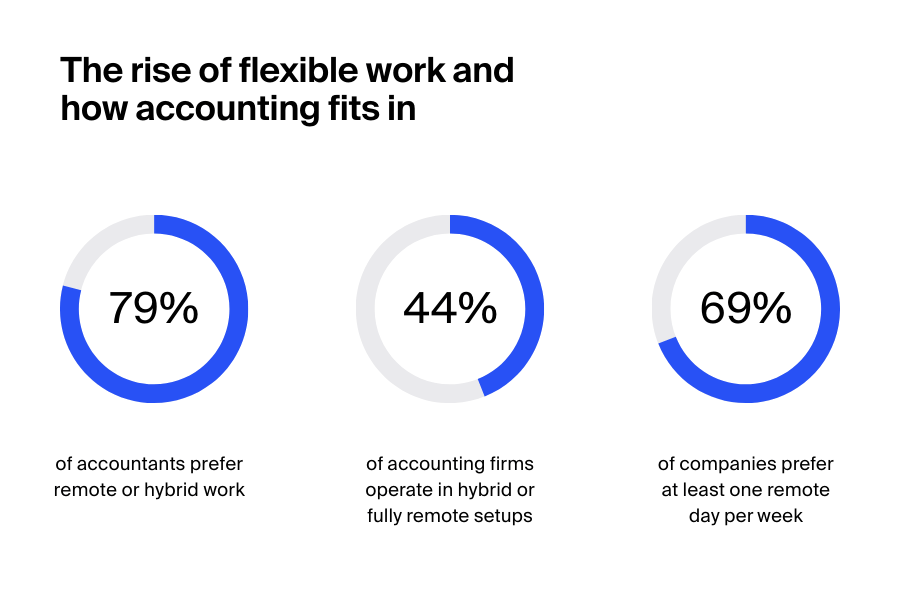
So, returning to the question — yes, accountants can work from home. In fact, many already do. Nearly half of accounting firms now run hybrid or fully remote setups, with 20% working entirely from home and 24% combining office and remote work. And the desire for flexibility is even stronger among professionals themselves: 79% of accountants prefer remote or hybrid work.
You don’t have to look far to see this playing out in real life. We came across a discussion where accountants described how they actually work — some fully remote, others hybrid — and many agreed that, apart from the occasional complex project, everything gets done just fine online.
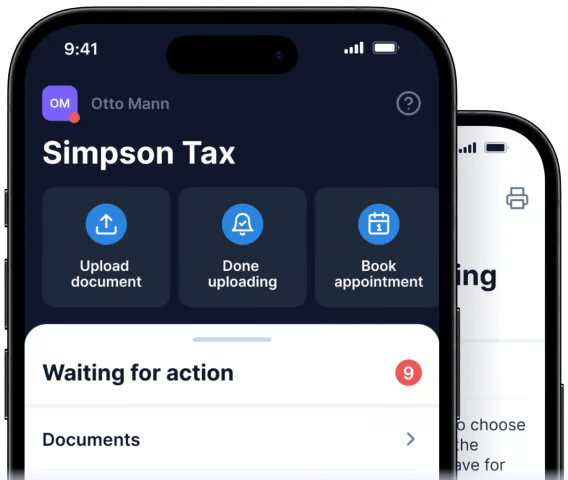
In short, the profession has adapted naturally, and accountants can now collaborate remotely without missing a beat.
Why remote accounting works — for firms and for people
For years, remote work was seen as a productivity risk. The reality turned out different, with productivity rising and costs going down. Let’s take a closer look at how working from home is creating lasting advantages for both accountants and the firms they work for.
- Greater productivity and focus
A remote setup gives many accountants what they rarely find in a busy firm — space to focus deeply and think clearly. Studies show this type of environment improves efficiency — in a study by Future Forum Pulse, 29% of remote workers reported higher productivity and 53% reported a greater ability to focus. For firms, this means faster turnaround times and higher-quality output during busy periods — all without adding extra hours. - Healthier balance and better retention
Working from home may also allow accountants to maintain a healthier lifestyle. They can be present for family commitments and not miss out on important life moments. That balance helps reduce burnout and keeps teams motivated through the most demanding parts of the year. Firms that offer this flexibility often see stronger engagement and lower turnover as a result. - Reduced costs
Remote and hybrid structures help firms cut major overhead expenses like rent, utilities, and office maintenance. At the same time, employees save on commuting and other daily costs. For many practices, those combined savings open the door to reinvesting in better systems, training, or client experience — areas that directly impact growth. - Access to a broader talent pool
When location stops being a limitation, firms can build teams with the exact expertise they need — whether that means industry-specific knowledge, language skills, or specialized credentials like chartered accountant or CPA designations. This flexibility strengthens service quality and creates opportunities for professionals to find roles that match their skills, no matter where they live.
The most common accounting jobs you can do from home
Some roles in accounting are still viewed as less natural fits for remote work — positions like controllers or finance managers, where the job often involves close collaboration with executives. But it’s not that these roles can’t be done remotely; they just need stronger systems to keep communication clear and operations aligned.
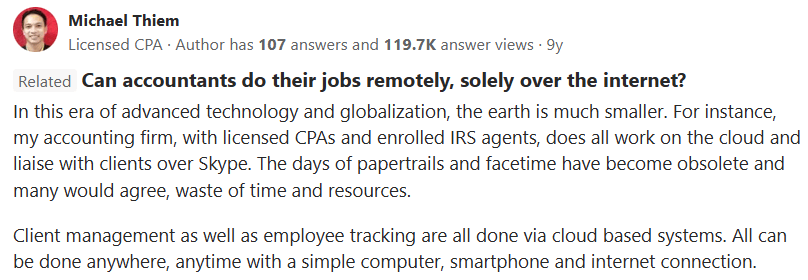
But for most professionals, working from home fits naturally with the kind of work accountants do every day. Many core responsibilities rely on structured processes, digital documentation, and predictable workflows — all of which translate seamlessly to cloud environments.
- Tax preparer: reviews returns, manages client data, and files electronically through secure portals
- Bookkeeper: tracks transactions, reconciles accounts, and maintains ledgers in real time
- Payroll accountant: manages payroll runs, compliance checks, and reporting entirely online
- Auditor: conducts testing and verification using digital records and secure document exchanges
- Financial analyst: focuses on data interpretation, budgeting, and forecasting — work that benefits from fewer interruptions
- Senior accountant: oversees projects, mentors staff, and manages client relationships through integrated firm systems
But because so many of these roles depend on well-defined workflows, firms often prefer new hires to spend their first weeks on-site, to learn systems and build context before shifting to remote work. Once that onboarding period is complete, most accountants find that their work-from-home setup supports — and often enhances — both productivity and focus.
How to create the right setup to work from home effectively
When accountants work from home, the right setup makes all the difference in how productive and connected they feel. Success depends on two key areas: the physical workspace that supports focus and comfort, and the digital setup that keeps everything running efficiently.
1. Set up your workspace for concentration
A good workday starts with a space that lets you think clearly. That means more than just a laptop on the kitchen table. Accountants spend long hours reviewing reports, reconciling numbers, and managing multiple tabs at once — so comfort and visibility matter.
A supportive chair, two monitors, and a reliable internet connection are small details that have a big impact on focus. The goal is simple: create a space where you can stay fully engaged in your work without fighting distractions or discomfort.
2. Automate the routine to focus on real work
When you’re working remotely, structure and consistency matter as much as skill. The more your systems can run on their own, the more effective everything else becomes. Automation helps replace routine manual work — things like sending reminders, organizing documents, or tracking deadlines — with processes that happen automatically in the background.
If you want to see what that looks like in practice, our guide breaks down where automation makes the biggest impact.
3. Bring your projects, team, and clients into one place
When your work is scattered across emails, chat threads, spreadsheets, and folders, every update takes effort. You spend more time finding information than using it, and that slows everyone down. It’s tough to stay organized that way, even in an office, but it becomes nearly impossible when you work from home.
Work feels different when everything is connected. One practice management software that holds your client details, tasks, documents, and conversations gives you a clearer picture of where things stand.
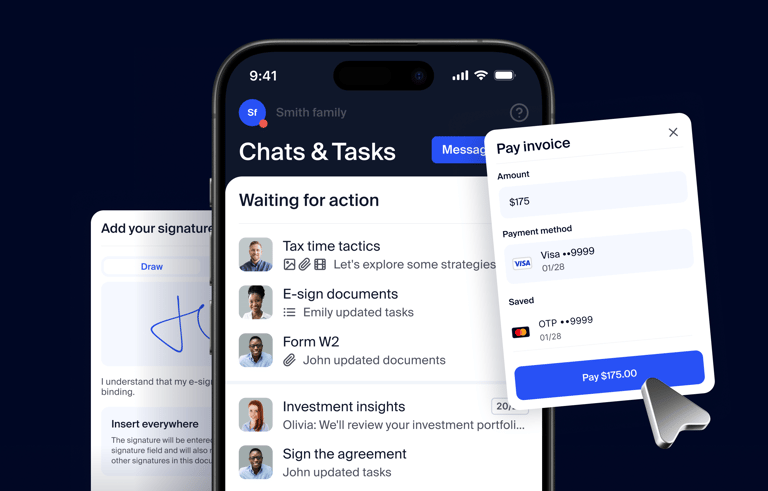
TaxDome was built around that kind of flow. From the moment a client signs an engagement letter to the final payment, the process runs inside one system with automation at every step. And once they start using the mobile app, clients no longer need to call or email for updates: they can chat, sign, upload, and scan documents from their phone whenever it suits them.
Accountants get the same flexibility. With the firm mobile app, you can manage tasks, review files, and respond to clients on the go, keeping work moving even when you’re away from your desk.
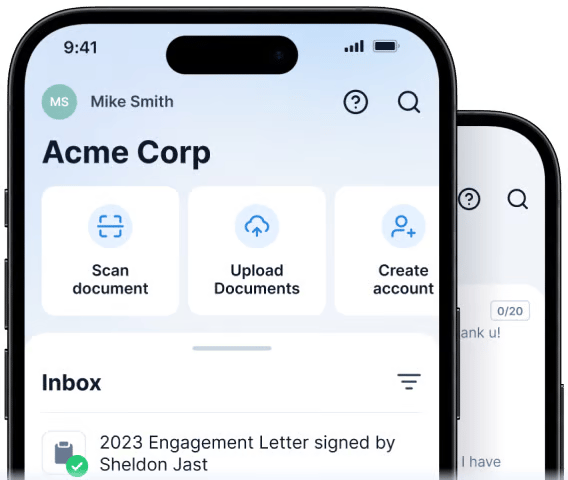
This setup is what makes remote collaboration feel natural — as Carter Cook CPAs discovered when they shifted fully online:
“I’ve had fantastic feedback on the mobile app. I love that I can send organizers through the portal. I record a Loom video that explains how to use organizers. With video instructions, clients are able to fill it out whenever it’s convenient for them. If they want to do it at 10pm, that’s fine! It frees up my schedule to be able to focus on things other than paper pushing.“
For remote or hybrid firms, having one system of record doesn’t just make things easier — it creates consistency, transparency, and accountability across the entire firm.
Practical tips to help accountants work from home effectively
Software makes remote work possible, but structure and clear communication are what make it sustainable. Here’s a closer look at the key habits and practices that help accountants stay organized, connected, and productive when working from home.
- Set clear policies and predictable schedules
Remote work runs best when everyone knows how and when to connect. Define your team’s communication rules — which channels to use, how quickly to respond, and when meetings happen. Set core working hours so collaboration stays consistent without blending into personal time.
Predictability builds trust. When clients know when to expect updates and teammates know when you’re available, everyone can plan their day with less friction.
- Manage your time with intention
Without office routines to anchor the day, time can disappear quickly. Create structure by blocking off deep-focus hours, scheduling breaks, and setting limits on notifications. Use time-tracking tools or digital calendars to see how your day really flows — it helps you spot distractions and stay realistic about what fits in a day.
Remote accounting works best when you treat your time like a resource. Protect it, plan it, and keep it balanced.
- Stay accountable and connected
When you work from home, your activities may not be visible to everyone, so clarity matters. Use workflow tools or shared dashboards to show progress and deadlines. A quick update or short video check-in helps teammates stay aligned without endless calls.
Accountability isn’t about oversight; it’s about connection. When everyone understands where things stand, collaboration feels natural — even miles apart.
- Keep your data secure
Security is non-negotiable in remote accounting. Use encrypted cloud storage, multi-factor authentication, and strong password management tools. Make sure your team only accesses data through secure networks and keeps devices updated.
Treat digital safety the same way you’d treat a locked file cabinet in the office — it’s what protects your clients’ trust and your firm’s reputation.
- Keep learning to stay ahead
The way accountants work from home keeps evolving — new tools, new regulations, and new expectations from clients appear every year. Staying curious and adaptable is what turns those changes into opportunities instead of challenges.
Make learning part of your regular routine: attend webinars, explore new accounting tech, or share discoveries within your team. Firms that prioritize continuous learning build stronger, more flexible operations — and professionals stay confident and ready for whatever comes next.
How remote work is reshaping the future of accounting
Remote work has moved far beyond a temporary fix — it’s changing how firms operate, grow, and think about the client experience. Here are some of the trends shaping that future:
- AI-powered workflows. Artificial intelligence is already handling tasks like data entry, transaction categorization, and report drafting. It’s helping accountants focus on the insight and strategy instead of repetition.
- Integrated firm systems. Firms are consolidating tools into unified platforms that handle client communication, document management, billing, and workflow — reducing manual work and improving visibility across teams.
- Stronger focus on cybersecurity. As data moves online, security is becoming a shared responsibility across every role. Firms are implementing stricter access controls, regular audits, and continuous employee training.
- Data-driven client service. With better analytics, accountants can move from reactive work to proactive advising — identifying patterns, predicting needs, and offering real-time insights that create value beyond compliance.
- Flexible firm structures. Hybrid work is becoming the norm. Firms are redesigning roles, meetings, and workflows to blend remote flexibility with in-person collaboration when it counts most.
For firms willing to adapt, the next few years offer a chance to rethink efficiency, culture, and what it truly means to serve clients anywhere.

Mari develops TaxDome content by combining customer insights, industry research, and real-world trends. Her structured, automation-driven approach ensures messaging is clear, relevant, and supports more connected and efficient accounting firms.
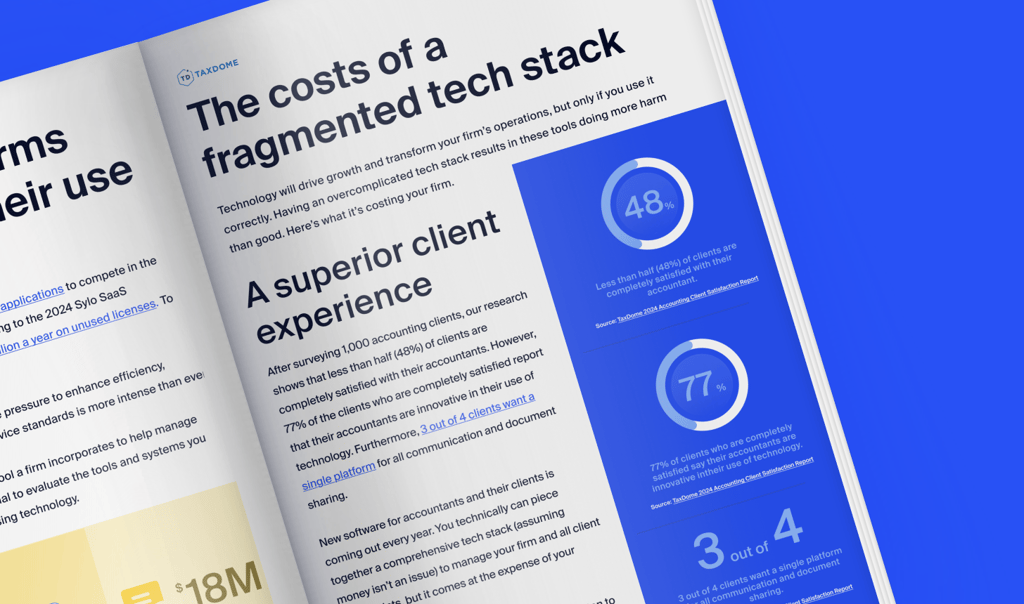
Get your free guide
Thank you!
The guide copy has been sent to your email. Please check your inbox!
Recommended articles

Why accountants are quitting: inside the forces reshaping the profession
How to start a virtual bookkeeping business from scratch
Accounting process improvement: Practical strategies, tools, and real-world examples