 US – English
 UK – English
 Canada – English
 Australia – English
 Danmark – Dansk
 DACH - Deutsch
 France – Français
 España – Español
 Sverige – Svenska
 Italia – Italiano
 Nederland – Nederlands
 Portugal – Português
 Suomi – Suomi
 Norge – Norsk
 日本 – 日本語
 Romanian – Română












#Accounting workflow, #Document workflow
How to Document Your Accounting Firm’s Internal Processes
Run your entire firm on one platform
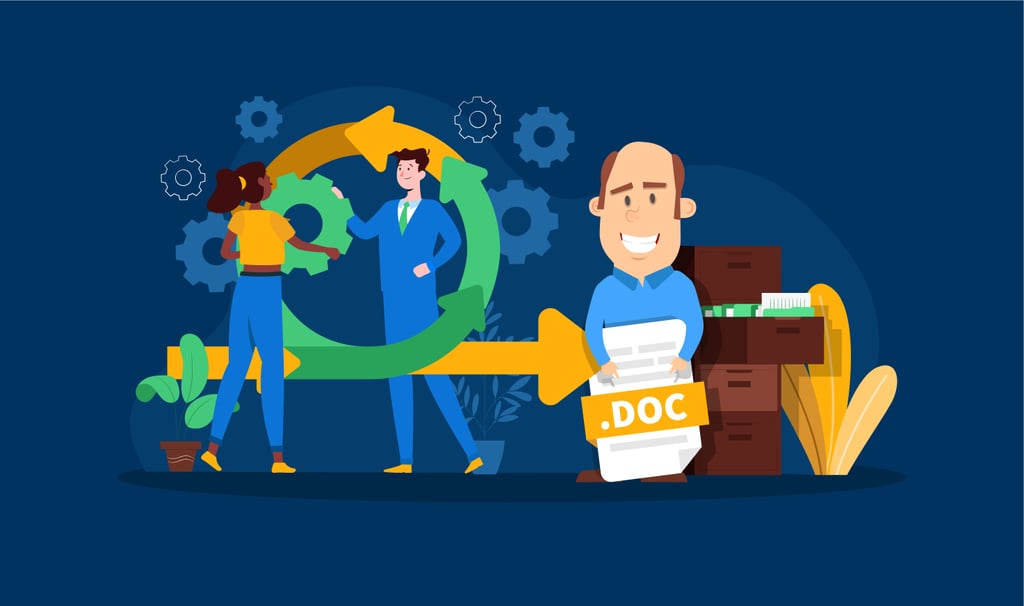
Internal documents in accounting firms hold so much value, so why do accounting firms often fail to update and utilize them like they should? Every accounting firm, regardless of size, should be documenting its best practices, processes, and systems – and they need to keep at it until it’s perfect.
Table of сontents
Why is Process Documentation Important?
Process documentation serves many purposes for an accounting firm, but the overarching theme is to improve the client experience through a more informed and consistent approach to every project and problem.
Oftentimes, internal documents are summarized in the form of Standard Operating Procedures (SOPs) – but what’s included in your SOPs really depends on how detailed you wish to be. Ideally, you’ll take the time to define specific best practices that explain the processes already in place and help guide the refinement and implementation of new processes.
Documenting your internal processes, policies, and procedures will help your accounting firm maintain consistent service quality and approaches, even as your team grows. Good documentation can also speed up employee onboarding, improve performance, and allow you to easily bring in temporary staff during the busiest times of the year.
When Should Work Processes Be Documented?
In many cases, accounting firms don’t pursue or stay on top of process documentation simply because it can sound like an overwhelming task. However, documenting work processes does not have to take months or specialized talent.
By simplifying how you view process documentation, it will make it easier to take the leap and actually start documenting processes when the right time comes. If you haven’t already documented processes, you need to do it before you bring on contractors and before you start expanding your team with new hires.
If you find that the majority of your accounting firm’s way of working or approach to things is primarily “memorized” by a few people on your team, but not clearly written down in one organized place, your firm needs to pursue process documentation before you keep moving forward and scaling up.
Read more on how to exponentially grow a firm: How to Scale Your Firm 3x with the Help of Modern Technologies.
How to Document Work Processes
In its most basic form, process documentation can come in the form of a few short paragraphs or, better yet, some short videos. While being more detailed is better, don’t sit down and plan to write a book, as it will simply become an insurmountable task – and even if you accomplish it, seldom will someone take the time to reference it.
Process documentation needs to be written with the user in mind. This means keeping it short, actionable, and neatly organized. While presentation can help make your process documentation more appealing to the eye, you have to draw the line somewhere. Don’t get caught up in making your process documentation “attractive” – it needs to be functional about all else.
So, let’s explore the steps involved in documenting work processes and look at the best tools to use.
#1 Mapping
The first step to documenting work processes is mapping. This is where you think about the outcome that you want from the process you are documenting. You can bound the outcome by things like time, accuracy, and resulting reports or data.
For instance, if you’re mapping the process of completing a client’s books, you might want part of the outcome to be a report getting compiled and sent off to them.
Hint: you can use LucidChart, Miro, or similar software to design how the stages in their processes look.
#2 Documenting
The next step in the documentation process is the documentation itself. Ironically, before you can even begin documenting your work processes, you really need to document the process of documenting processes. By guiding your team in how you would like them to document processes, you’ll be able to produce consistent, clear documentation no matter how many people are providing input.
From there, you need to get your core team members involved. Always ask for feedback when documenting a process, whether it’s new or existing, and expect to come back to this stage a few times over. Process documentation is a living, breathing thing that needs to evolve as your practices change, so don’t stick it in a drawer and forget about it or try to use it without ever changing it.
Hint: as a smaller accounting firm, you can use tools like Notion or Coda to create documentation in a user-friendly way.
#3 Systemization
Your process mapping and documenting will come together to create your system. This system is what you teach to your team and it’s the system that you align your tool with.
All of these parties need to learn the rules so that they can follow the rules. They also need to know what the consequences are when someone breaks away from the standard process, which they might do when trying to take a shortcut or simply because they didn’t brush up on what the right step is.
#4 Automation
The amount of trust and latitude you give to your team when it comes to following and implementing the work processes can be summed up as automation. If you give them very little trust and latitude, you’re going to end up being very hands-on in the management of work processes to ensure they’re following things properly.
Meanwhile, if you give your team a lot of trust and latitude, you’ll enjoy the hands-free benefits of “full automation” – but you might also find that they’re breaking away from the processes too often and errors or inconsistencies are occurring as a result. You need to decide what’s right for your firm.
TaxDome accounting automations help you set up a robust, fully-automated accounting workflow. Learn more on how you can set your team free

Lisa manages TaxDome’s blog strategy, oversees email communications, and improves platform performance through review analysis and optimization, focusing on aligning messaging with user needs and strengthening brand positioning in the accounting industry.
Get your free guide
Thank you!
The guide copy has been sent to your email. Please check your inbox!
Recommended articles
What is accounting workflow management? The complete guide with real-world examples
ChatGPT for accountants: 12 strategies to automate your workflows

12 best free online accounting courses with certifications for 2026