 US – English
 UK – English
 Canada – English
 Australia – English
 Danmark – Dansk
 DACH - Deutsch
 France – Français
 España – Español
 Sverige – Svenska
 Italia – Italiano
 Nederland – Nederlands
 Portugal – Português
 Suomi – Suomi
 Norge – Norsk
 日本 – 日本語
 Romanian – Română












Build your first bookkeeping package: structure and pricing tips
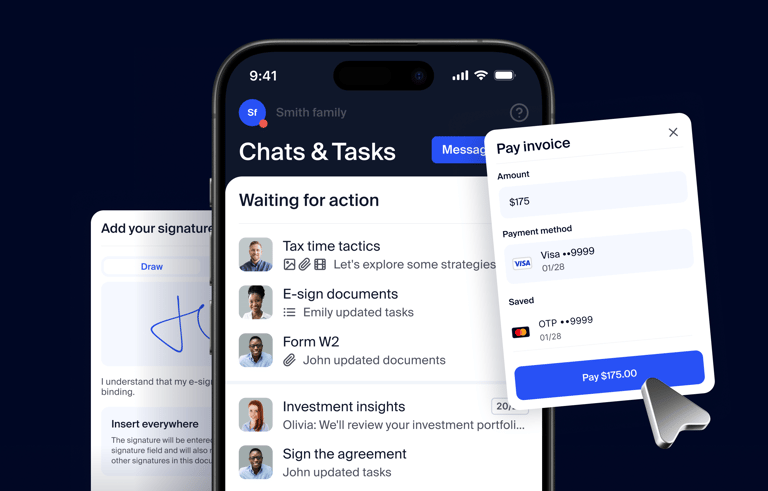
Run your entire firm on one platform
Packaging accounting services is a turning point for how modern firms operate. And it’s not just for CPAs anymore — more and more bookkeeping firms are turning to packages as a smarter way to grow.
In this article, we’ll explore why packaging works, walk through a step-by-step guide to building your own bookkeeping package, explain how to price it strategically, and show how this approach can unlock real, sustainable growth for your firm.
Table of сontents
Why bookkeeping packages are built for scale
A bookkeeping package is a structured bundle of bookkeeping services your firm offers as a clearly defined product. It outlines exactly what the client receives — from the type of services provided to how often they’re delivered, when, and at what pricing.
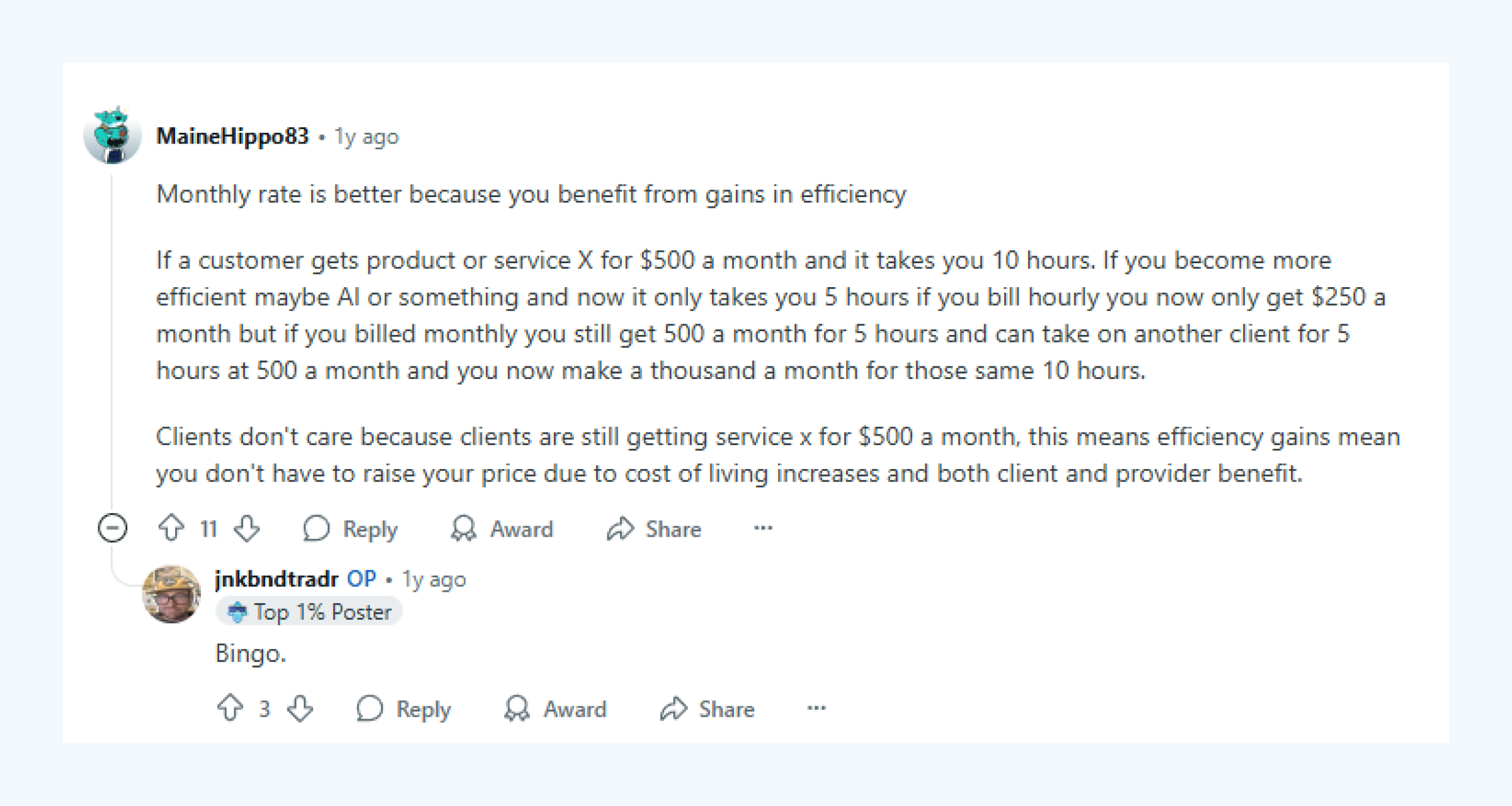
This structure becomes the foundation for scale. Once your bookkeeping services are standardized, every efficiency gain has a direct impact on your margins. That’s the real power of packaging.
But to actually trigger that scale, you need to put it to work — automate recurring tasks, delegate admin to software, and make delivery as consistent as the package itself.
With TaxDome’s accounting practice management software, this becomes far easier. From client communication and document collection to task tracking and reporting, everything lives in one place. And with dedicated bookkeeping features on the way, firms will soon be able to manage both their practice and their books under one roof.
What’s included in a bookkeeping package?
Clarity is what makes packaged services effective. It’s not just about what work gets done — it’s about defining how, when, and to what extent that work is delivered. A well-structured package breaks down each piece of the service so clients know what they’re paying for, and your team knows exactly what to deliver.
Here’s what your bookkeeping package should cover:
1. Services
Start with what you actually do for clients. The service scope is the foundation of every package, and grouping it by function makes the offering easier to understand.
- Ongoing financial maintenance covers the core day-to-day tasks. This includes reviewing and categorizing transactions, reconciling bank and credit card accounts, syncing data from financial institutions, and checking for inconsistencies or duplicates.
- Accounts workflow support helps clients stay on top of cash flow by tracking receivables, entering bills, scheduling payments, and, when agreed upon, sending invoice reminders. These tasks require close coordination and can vary significantly by client, so it’s crucial they’re defined clearly within the package.
- Compliance and records preparation ensure everything is organized for tax season — even if your firm doesn’t file returns. This might include preparing payroll journal entries, tagging sales tax transactions correctly, reviewing 1099 contractor payments, and delivering clean year-end financials for a CPA or tax preparer.
- Strategic support is where firms can really differentiate. Whether it’s offering cash flow forecasting, building custom financial dashboards, conducting periodic budget reviews, or providing light advisory insights, this level of service positions your firm as a trusted partner
- Tech Stack Management: Setting up and maintaining the integration between your bank, accounting software, and practice management tools (like TaxDome). Clients pay for a seamless, automated flow of information.
- AI-Driven Insights: Providing AI-generated monthly summaries that highlight spending anomalies, cash flow trends, and tax-saving opportunities.
2. Frequency of service
Set expectations for how often tasks happen. For most businesses, monthly bookkeeping is standard. But you might also offer:
- Weekly categorization for higher-volume clients
- Quarterly service for very small businesses with minimal activity
- Clarifying this helps both parties avoid mismatched assumptions.
3. Reporting
Many firms overlook this. Your bookkeeping package should outline which reports are delivered and when. These might include:
- Profit & loss statements
- Balance sheets
- Cash flow summaries
- Custom reports (if offered)
State whether they’ll access reports through email, shared folders, or a client portal like TaxDome.
4. Pricing
Every package should include transparent pricing. Whether fixed fees or tiered, clients should know what’s included and what counts as “extra.” That might include off-cycle reconciliations, unscheduled meetings, or urgent requests.
How to build a bookkeeping package that works
If you’re still quoting every client from scratch or adjusting deliverables on the fly, it’s time to shift. This step-by-step approach will help you create packages that attract the right clients, reflect the work you actually do, and support long-term growth.
1. Identify your ideal clients
Before building anything, get clear on who your bookkeeping services are for. Look at your current client base: who’s a great fit, who drains your team, and who brings long-term value? Sort clients by size, industry, and complexity. For example, solo consultants with under 100 transactions a month have different needs than a multi-entity e-commerce brand.
Tip: Avoid building generic packages for “everyone.” Start with the segments you know best — the ones you want to serve more of.
Example:
- Freelancers and consultants
- Service businesses with 2–10 employees
- High-volume firms with multiple systems
2. Focus on what those clients actually care about
Once you’ve defined your client types, dig into their real needs. What keeps them up at night? What tasks do they wish would just go away? Think beyond compliance — this is about pain relief.
Tip: Talk to your team. What do clients consistently ask for? What triggers last-minute emails or late-night texts? That’s where your value lies.
Example:
- A solo founder may want “I don’t want to touch QuickBooks” simplicity
- A growing team may want monthly reporting, cash flow views, and tax-ready books
- A high-volume firm may need tight AR tracking and monthly check-in calls
3. Build tiered packages that align to service depth
Now map those needs into structured tiers. Each package should feel like it was designed for that type of client — because it was. This makes your offerings easier to sell, easier to price, and easier to deliver consistently.
Tip: Name your packages based on how clients see themselves — or where they want to be. For example, early-stage founders might gravitate toward “Starter” or “Solo,” while growth-minded businesses connect with names like “Scaling” or “Strategic.”
Example:
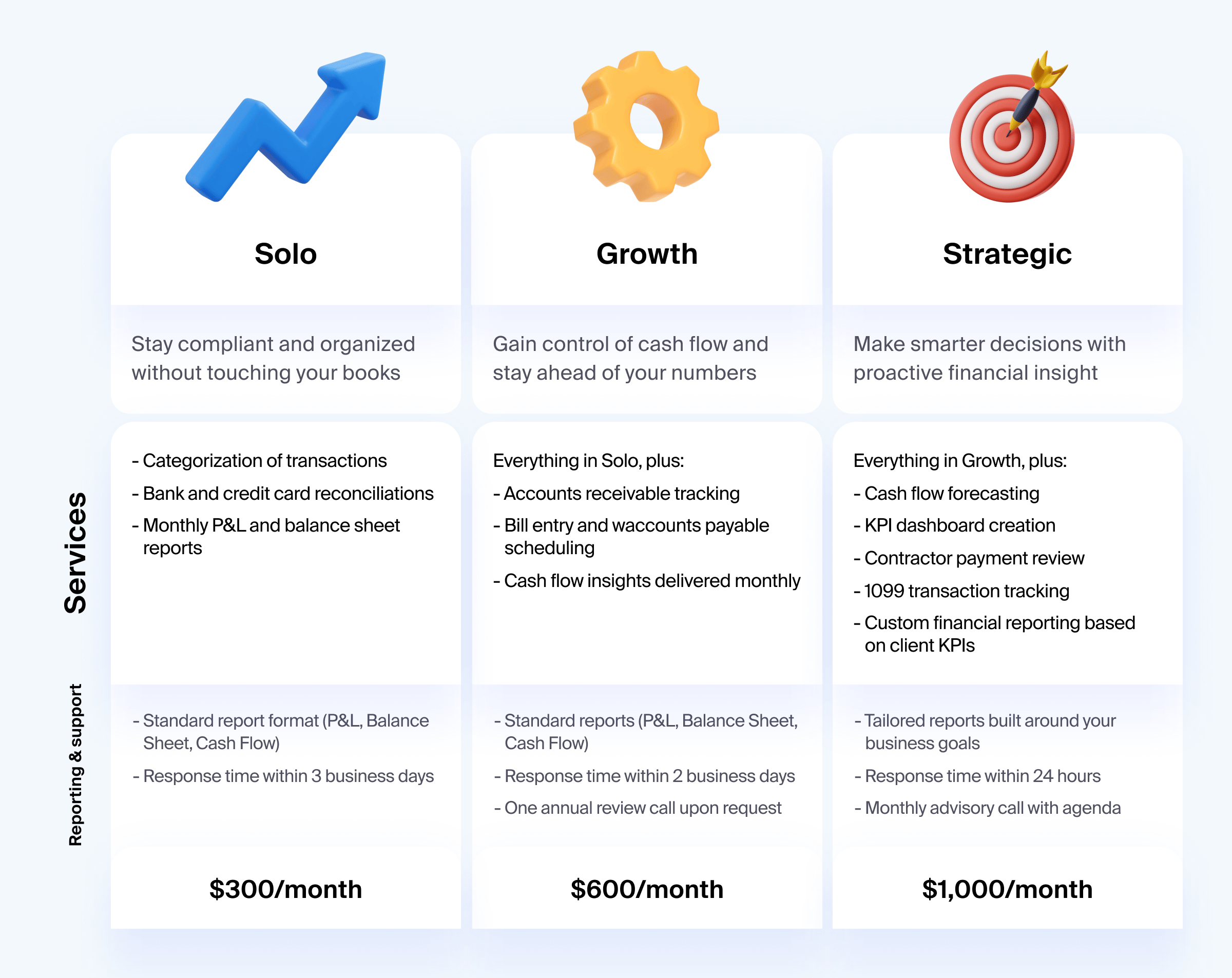
| Solo | Growth | Strategic |
| • Categorization of transactions • Bank and credit card reconciliations • Monthly P&L and balance sheet reports | Everything in Solo, plus:
• Accounts receivable tracking • Bill entry and accounts payable scheduling • Cash flow report preparation | Everything in Growth, plus:
• Cash flow forecasting • KPI dashboard creation • Contractor payment review • 1099 transaction tracking • Custom financial reporting based on client KPIs |
4. Add supporting deliverables and service expectations
This is where you set your packages apart. Clarify what else the client receives — and how you deliver it. Reporting cadence, communication expectations, review calls, and support response time all belong here.
Tip: Be specific. Don’t say “monthly support” — say “1 scheduled review call per quarter” or “email response within 2 business days.”
Example:
| Solo | Growth | Strategic |
| • Standard report format (P&L, Balance Sheet, Cash Flow) • Response time within 3 business days | • Standard report format (P&L, Balance Sheet, Cash Flow) • Response time within 2 business days • One annual review call upon request | • Custom report formatting based on business goals • Response time within 24 hours • Monthly advisory call with agenda |
5. Present your packages clearly and visually
Even the best package won’t land if it’s hard to understand. Create a simple, scannable table or grid comparing tiers side by side.
Tip: To help clients make confident decisions, present your packages visually — side by side, with clear differences.
Example:
How to price your bookkeeping service packages
There’s plenty of information online about how much a bookkeeper costs, but pricing structured bookkeeping packages requires a more strategic, value-driven approach.
While many firms still start with hourly estimates, in 2026 this model is increasingly limiting. As automation makes firms more efficient, pricing purely based on time can turn into a race to the bottom. Instead, leading firms price their packages based on the value delivered, complexity, and client outcomes. That said, your internal costs still matter.
Start by analyzing three core factors:
- Transaction volume
- Complexity of the books
- Frequency of services
Use these to estimate internal effort and calculate your baseline cost. This ensures your pricing remains profitable. However, this number should act as a floor, not the final price.
Next, shift to a value-based perspective:
- How critical is this service to the client’s business?
- Does it include advisory or insights?
- How much risk or responsibility are you taking on?
Then, benchmark against the market.
Typical bookkeeping package pricing (2026):
- Starter / Compliance packages: $500 – $900 per month
- Growth / Management packages: $1,000 – $2,200 per month
- Strategic / CFO-lite packages: $2,500 – $5,000+ per month
For one-time work:
- Clean-up services are typically priced at 1.5×–2× the monthly rate per month of backlogged books
If your firm offers faster turnaround, industry specialization, or deeper advisory, your pricing should reflect that.
Finally, clearly define how you handle out-of-scope work. Set expectations early, communicate fees transparently, and document everything. Clarity builds trust — and protects your margins.
Common mistakes to avoid when pricing your packages
Even well-intentioned packages can backfire if they’re rushed or vague. Here are a few common missteps to watch for:
- Overloading your entry-level package.
Trying to impress by stuffing too much into your lowest tier will only hurt your margins and set unsustainable expectations. - Being vague about deliverables.
Phrases like “ongoing support” or “financial insights” mean nothing unless you define exactly what’s included, how often, and through what channel - Ignoring internal capacity.
Packages might look great on paper, but if your team can’t realistically deliver them at scale, you’re creating friction, not efficiency. - Skipping the out-of-scope policy.
Without clear boundaries, you’ll end up fielding one-off requests, chasing documents, or doing custom work without proper compensation. - Failing to price for your tech stack. Software costs — including AI tools, cloud hosting, and practice management platforms — can be significant. Many firms forget to factor these “platform fees” into their package pricing, which leads to shrinking margins over time. Make sure your pricing reflects the cost of the high-quality tools that power and differentiate your services.
It’s smart to know the market, but don’t underprice your bookkeeping service just to stay competitive. Clients pay for clarity, consistency, and peace of mind — price accordingly.
Avoid these, and your bookkeeping packages will work for your firm — not against it.
FAQ
What’s the difference between a bookkeeping service and a bookkeeping package?
A bookkeeping service refers to the work itself — categorizing transactions, reconciling accounts, etc. A bookkeeping package turns those services into a clearly defined offer with scope, frequency, and pricing.
What should a bookkeeping package for small businesses cost?
Most firms charge between $300 and $2,000/month, depending on volume, complexity, and deliverables. Estimate your time, multiply by your rate, and adjust for value provided.
Can packaging work for services beyond bookkeeping?
Absolutely. While this article focuses on bookkeeping services, the same approach can be applied to other recurring accounting services — like payroll, advisory, or financial reporting.
What if a client asks for something not included in their package?
Define an out-of-scope policy upfront. Document extra requests, explain pricing, and confirm approval before doing the work.
How does TaxDome help with packaged services?
TaxDome helps automate task delivery, manage client requests, and keep everything — from document collection to reporting — under one roof.

Mari develops TaxDome content by combining customer insights, industry research, and real-world trends. Her structured, automation-driven approach ensures messaging is clear, relevant, and supports more connected and efficient accounting firms.
Get your free guide

Thank you!
The guide copy has been sent to your email. Please check your inbox!
Recommended articles

How to start an accounting firm: a step-by-step guide to running your own practice

Accounting process improvement: Practical strategies, tools, and real-world examples

Accounting practice management software: complete guide and comparison