 US – English
 UK – English
 Canada – English
 Australia – English
 Danmark – Dansk
 DACH - Deutsch
 France – Français
 España – Español
 Sverige – Svenska
 Italia – Italiano
 Nederland – Nederlands
 Portugal – Português
 Suomi – Suomi
 Norge – Norsk
 日本 – 日本語
 Romanian – Română












Boosting accounting efficiency: strategies, tools, and best practices for modern firms
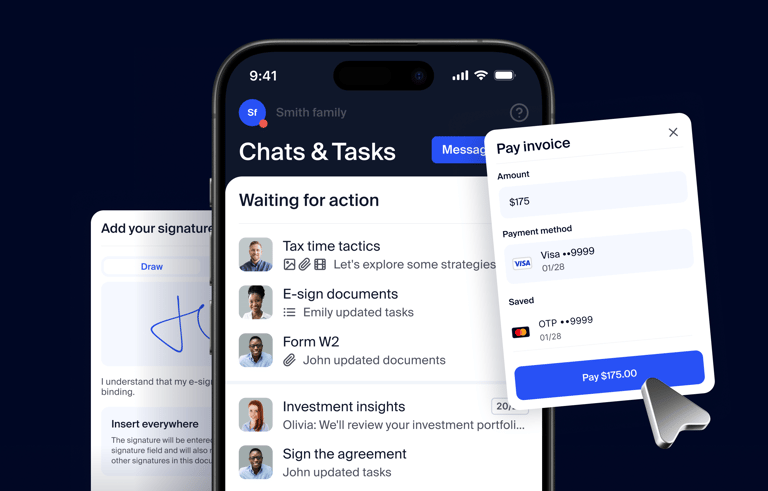
Run your entire firm on one platform
Efficiency is the difference between a firm that’s in control and a firm that’s constantly playing catch-up. You know the days. Admin tasks taking far too long. Work stuck in limbo due to information nobody can find. Client messages coming in faster than you can clear them.
But when efficiency is high? Staff are focused, client interactions flow, and your team has the capacity to do more, minus the stress spike. The whole operation feels lighter and predictable.
In this guide, we’ll unpack what efficiency really means, the hurdles that slow firms down, and how to improve accounting efficiency. By the end, you’ll have a stronger understanding of how to regain time, deliver a better client experience, and run a more profitable firm.
Table of сontents
What does accounting efficiency really mean?
Think of efficiency as your firm’s tempo. A good tempo keeps work moving smoothly. A bad one feels like running into roadblocks around every bend.
The easiest way to understand your tempo is to look at what your team does every day and how much friction sits in between steps. Map out your processes from start to finish. Pinpoint every handoff, approval step, and moment someone needs to pause and wait.
While you’re at it, turn to your numbers. Billable hours, client response times, turnaround time, task completion rates across the team. These will give you a more accurate picture of where inefficiencies could be hiding.
Patterns usually appear quickly, and these will shine a light on what needs improvement.
Efficiency in accounting is about helping your team be more productive. In practice, that means creating predictable, repeatable processes that keep your entire practice moving in sync.
Top barriers to accounting efficiency
Inefficiency will look different firm to firm, but the following are the barriers that most issues stem from.
Manual workflows
If you have tasks that repeat daily or weekly — especially tasks that don’t require actual expertise — they’re probably eating more hours than you realize. Entering client data. Updating spreadsheets. Writing emails. Sending follow-ups. These are time drainers that also stretch the margin for accounting errors when work gets busy.
Disconnected systems
When your workflow sends you bouncing between tools or tabs, efficiency takes a hit. Disconnected tools scatter visibility, raise security risks, and lead to duplicate work. Even “insignificant” delays — switching tools, cross-checking info, re-keying details — add up fast when they’re happening dozens of times a day.
Communication gaps
Gaps in team or client communication turn simple tasks into detective work. Handoffs needing clarification. Staff digging through inboxes for context. Clients not taking action due to unclear instructions. And everyone guessing where things stand. That kind of confusion burns time and brings workflows to a halt.
Compliance challenges
Regulatory changes raise the bar for accuracy and documentation, naturally requiring more work. But without structured workflows, audit trails, and clear SOPs (standard operating procedures), your team can easily slip into spending more time double-checking details instead of moving work forward.
These barriers are signs your firm is growing faster than your systems — and the good news is that they’re fixable.
Essential tools that drive accounting firm productivity
The above inefficiencies don’t fix themselves, and the firms pulling ahead are the ones using modern technology to their advantage. Here’s a breakdown of essential accounting tools that you need to increase accounting firm’s productivity.
Cloud-based accounting software — centralized access and real-time collaboration
Cloud accounting software is any tool that stores financial data online in one central place instead of across individual computers or spreadsheets. Your team logs in, sees the same up-to-date information, and makes changes that appear instantly.
Cloud-based software prevents data mix-ups, speeds up reviews, and keeps everyone aligned no matter where they work. Built-in security also protects sensitive data and gives clients confidence their information is being handled correctly.
Document management systems — secure and organized digital workflows
A document management system is your firm’s filing cabinet in the cloud, just without files hiding across inboxes and shared drives. Or multiple versions floating around. Or the guesswork of figuring out who changed what and when.
Teams can see the latest version, track who edited what, and set permissions to keep sensitive information locked down. Instead of searching through inboxes, shared drives, or paper folders, everyone can find what they need without the hassle.

AI and automation tools — reducing repetitive tasks and improving accuracy
If you want your team to focus on higher-value work, then you need AI and workflow automation tools to handle all the day-to-day repetitive tasks. Think data entry, client follow-ups, automated document renaming, reporting, and invoicing.
These tools can also catch errors that often get overlooked when things get hectic (or when manual work becomes mind-numbing). The result is improved accounting firm productivity, fewer bottlenecks, and a lot less double-checking.

Practice management platforms — scheduling, task tracking, and reporting
Accounting practice management software gives your firm the structure it needs day to day. Think of it as your firm’s command center, helping you improve accounting firm productivity.
Teams can manage tasks and projects, automate workflows, store client data and documents, and communicate with clients. Firm owners gain firm-wide visibility into workload, capacity, progress, and profitability.
And because everyone’s working in one place, it becomes much easier to collaborate, stay aligned, and scale through predictable, repeatable processes that increase accounting efficiency and keep everything running in sync.

Client communication and collaboration tools — portals, chat, and secure messaging
When messages, documents, e-signatures, and payments all move across different channels, things can get messy fast. A secure client portal solves that, simplifying and organizing every touchpoint to make collaboration easier.
The more unified the experience is (fewer logins and tools), the faster you can expect your clients to get things done. A client mobile app will take it a step further, letting them scan and upload docs, send and receive secure messages, and track updates on the go.

Implementing new technology the right way
Rolling out new tech doesn’t have to mean late nights, pitches, and headaches. With a plan in place, the change lands faster, people get on board quicker, and everyone notices the value early on.
1. Create a clear implementation roadmap
Start by getting everyone aligned on why the change matters. Define the issue you’re solving and what success will look like. Then create a rollout plan that involves testing, training, and adoption. The goal is to keep everyone aligned and moving together.
2. Train and upskill your team
Short, focused sessions will help staff learn the new software without overwhelming their day. Give them time to adjust, and encourage questions so small issues don’t turn into bigger frustrations later on. Training should build confidence, not overwhelm.
3. Avoid common pitfalls
Most software headaches come from rushing the setup. Half-done configurations, unclear workflows, and missing documentation will create floating problems. So, take the time to set things up with care, document the essentials, and test before going fully live.
Measuring and sustaining improvements
Once everything’s up and running, don’t let the momentum fizzle out. Regular checks and accounting workflow improvements are what’ll make your operation stronger and more efficient over time.
1. Set clear benchmarks
Efficiency sticks when you track it. Set benchmarks and review them regularly. Keep an eye on metrics like turnaround time, task completion rates, and client response time. These numbers show exactly where you’re gaining traction and where more tuning could help.
2. Gather team and client feedback
Of course, metrics only tell one story. Ask your team where workflows feel easier and where friction still pops up. Check in with clients about what’s going well and what isn’t. Their input will point you to the next best improvement.
3. Review and refine your processes
Long-term efficiency stems from consistent improvement. Pay attention to what’s working, tighten up what’s not, and keep refining as you go. Those little shifts add up fast, resulting in a more predictable operation and the capacity to serve clients better.
Ready to transform your firm’s efficiency? Try TaxDome today
Technology drives better efficiency — but not when you’re juggling five tools to complete one task. True accounting efficiency comes from bringing your entire workflow together. Your team stays aligned. Clients know exactly what to do. And nothing slips through the cracks.
TaxDome offers all of that and more on one secure, end-to-end practice management platform. One place for your team to manage tasks, collaborate internally, and communicate with clients. One place for your clients to log in and effortlessly interact with your firm, from proposal to payment.
And with powerful workflow automations that cut 10+ hours of manual work per team member each week, TaxDome delivers firm-wide efficiency that scales as you grow.

Josef creates clear, actionable content at TaxDome, highlighting features, updates, and key accounting topics. His focus is on making complex ideas accessible and engaging, helping users understand and apply insights effectively.
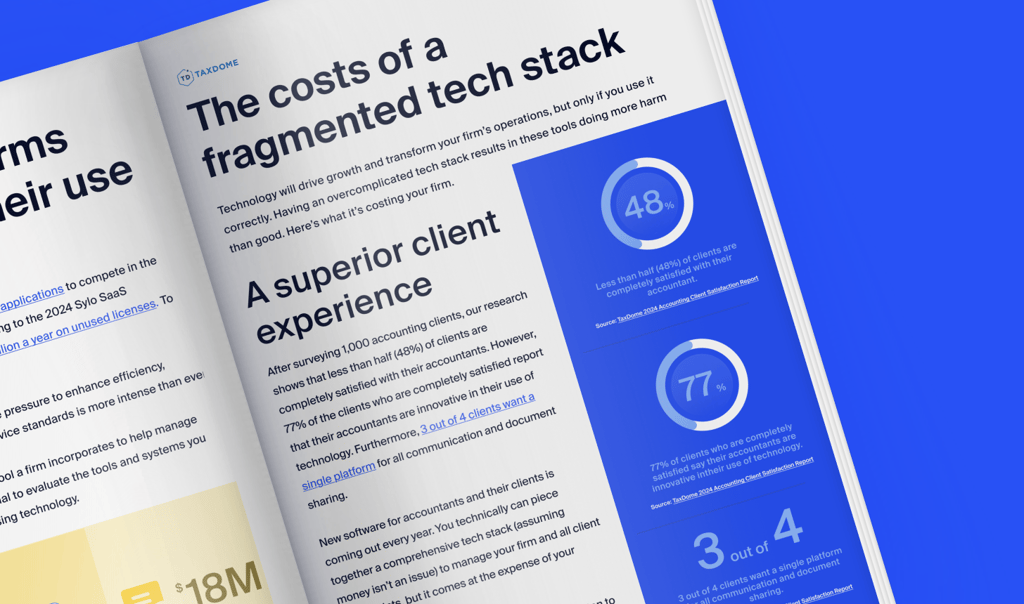
Get your free guide

Thank you!
The guide copy has been sent to your email. Please check your inbox!
Recommended articles
Niche Business Accounting Report statistics: what business clients will pay for specialized expertise

Buy Now, Pay Later: offer clients payment flexibility

Top AI tools for accountants in 2026: key features and use cases compared